Being Sued by a Debt Collector: What to Do and What to Say
 Sahar Syed··8 min read·Litigation
If you were sued by a debt collector, the most important thing to do is respond fast, read the court papers carefully, and do not ignore the deadline. This guide explains what to do, what to say, what the collector must prove, and how to protect yourself before a default judgment happens.
Getting a debt collection lawsuit can feel like a punch to the chest. Most people do not know whether they should call the collector, pay the debt, fight the case, or panic. The good news is this: being sued does not mean the collector automatically wins. The collector still has to follow the law, and you still have rights.
This article is written as a general U.S. guide. Court rules, deadlines, and defenses can change by state and even by county, so local advice matters. Still, the core steps are the same almost everywhere: read the summons, respond on time, ask whether the collector can prove the debt, and get help early if you can.
What It Means to Be Sued by a Debt Collector
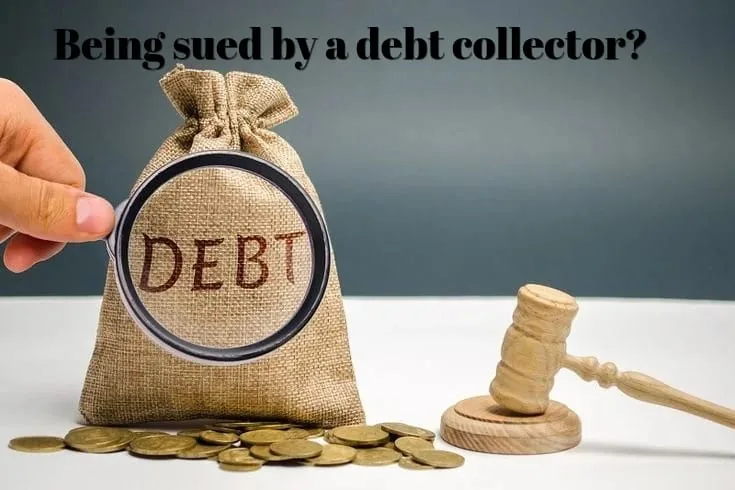
A debt collector or debt buyer may file a lawsuit to collect money they say you owe. The court papers often include a summons and a complaint. The complaint tells you what the collector claims, how much they say you owe, and why they believe they have the right to sue.
In many cases, the company suing you is not the original lender. It may be a collection agency or a debt buyer that says it bought the account from the original creditor. That matters because the company still needs to show it owns the debt and that the amount claimed is correct.
This is why the first rule is simple: do not assume the lawsuit is correct just because it came from a court. A filed case is serious, but the claims still need proof. The FTC says you should look at whether the debt collector can show you owe the debt, whether the amount is right, and whether the collector has the legal right to sue you.
What To Do First If You Are Sued by a Debt Collector
If you are sued by a debt collector, start here.
Read every page. Check the court name, case number, filing date, response deadline, and the name of the company suing you. Then compare the lawsuit to your own records, including bills, account statements, old letters, emails, payment confirmations, and any earlier debt validation notices.
Next, calendar the deadline right away. The CFPB says you should respond to the lawsuit by the date listed in the court papers, either on your own or through a lawyer. Missing that deadline is one of the worst mistakes people make.
Then gather your documents in one place. Save the envelope, the summons, the complaint, any prior collection letters, and your payment records. If the debt is old, gather anything that helps show the account history and dates. If you think the debt is not yours, collect anything that supports that too.
Finally, look for help early. The Legal Services Corporation says it funds legal aid organizations in every state, the District of Columbia, and U.S. territories, and its site lets people search by address or city for help with a civil legal problem.
Do Not Ignore the Lawsuit
This deserves its own section because it is the most important warning on the page.
If you ignore a debt collector summons or fail to answer the complaint, the collector may get a default judgment against you. That means they can win because you did not respond, not because they proved every part of the case in a live fight. The FTC says that if a debt collector wins a judgment, it may be able to garnish your wages, take money from your bank account, or put a lien on your property, depending on state law.
The CFPB also warns that ignoring or avoiding a debt collector is unlikely to make the problem go away and may lead to a lawsuit. Once the lawsuit is filed, doing nothing can make the situation much worse.
So even if you think the case is weak, even if you cannot pay, and even if you plan to settle later, you still need to protect yourself by responding on time.
What the Debt Collector Must Be Able to Prove
A lot of people think a collector only needs to say, “You owe money.” That is not enough.
The FTC says you should ask whether the collector can prove three big things: that you owe the debt, that the amount is correct, and that the collector has the legal right to sue you. Those are the core pressure points in many debt lawsuit cases.
That means the collector should be able to connect you to the account, show the balance they are claiming, and show the chain from the original creditor to the company now suing. If the account changed hands more than once, that proof matters even more.
This is also where affidavit of debt papers and account records become important. Some collectors rely on thin paperwork. Others have stronger files. Either way, your job is not to prove their case for them. Your job is to make them prove it properly.
What To Say When a Debt Collector Sues You
Many people freeze because they do not know what to say. You do not need dramatic language. You need clear language.
If you are speaking with the collector before court, keep it short. Do not guess. Do not admit the debt casually. Do not promise payment you cannot make. Use simple lines like these:
“I received the lawsuit and I am reviewing it.”
“Please send everything in writing.”
“I dispute this debt and want proof of the amount and ownership.”
“Please identify the original creditor and the account history.”
“I will respond through the court process.”
If you think the debt is not yours, say that clearly:
“I do not believe I owe this debt.”
“I dispute some or all of this debt.”
“Please provide written verification.”
If the collector is calling too much or using pressure tactics, you can also set limits:
“Do not call me at work.”
“Please communicate with me in writing.”
“I will not discuss this by phone.” The CFPB says you can tell a debt collector not to call you at an inconvenient time or place and can ask for a more convenient time or place instead.
What you should not say is just as important. Do not say, “Yes, that is my debt,” unless you are sure. Do not say, “I know I owe it all, I just cannot pay,” unless that is a deliberate strategy and you have thought through the risk. Do not let fear talk for you. Keep it factual.
How To Answer the Debt Collection Complaint
If you are sued by a debt collector, there is often a formal step where you file an answer with the court. The name and form vary by state, but the basic purpose is the same: it tells the court you are responding and not giving the collector an easy default win.
Your answer usually needs to do three things.
First, respond to the complaint’s claims. In many courts, you admit, deny, or state that you lack enough information to admit or deny each allegation. Second, raise defenses that apply to you. Third, file it on time and send copies the right way. Because procedure varies by state, local instructions matter a lot here.
Common defense themes can include:
the debt is not yours
the amount is wrong
the collector cannot prove ownership
the debt is too old
you were not properly served
you already paid part or all of it
the wrong person was sued
the collector is asking for fees or interest it cannot legally collect
A lot of people ask about filing a motion to dismiss debt lawsuit. Sometimes that is possible, but it depends on the facts and local procedure. It is usually more technical than simply filing an answer, so it is best handled with legal help when possible.
Debt Validation and Why It Still Matters
Before the lawsuit or near the start of collection, debt collectors generally have to provide validation information about the debt. The CFPB says this information is usually given in the first written notice or within five days of the first communication.
That validation information can include the collector’s name, the amount owed, and other key details about the debt and your rights. If you do not recognize the debt, the FTC says you can send a dispute letter within 30 days and ask for written verification, such as a copy of the original bill. Once the collection company gets your timely dispute letter, it must stop collection until it sends verification.
Now, if the lawsuit is already filed, you should not rely on a validation request alone. You still need to respond to the court. But debt validation is still useful because it helps frame the real questions: who owns the debt, how the amount was calculated, and whether the paperwork actually matches you and your account.
Watch for Time-Barred Debt
One of the most important issues in old debt cases is the statute of limitations on debt.
The CFPB says many states have statutes of limitations between three and six years for debt, but the exact period can be longer depending on the type of debt, where you live, and the law named in your agreement. The CFPB also states that debt collectors may not sue or threaten to sue to collect a time-barred debt under Regulation F.
This does not mean every old debt is automatically time-barred. It means you should check. If you were sued for old debt, this can be a major issue to raise with a lawyer or legal aid office right away. Dates matter here, and they can change the whole case.
Because state law controls a lot of this analysis, be careful not to guess based on internet rumor. Check your court papers, your account history, and your state rules.
What Happens If the Collector Wins
If you lose the case, or if you do nothing and a default judgment is entered, the collector may gain stronger collection tools. The FTC says a judgment may lead to wage garnishment, money being taken from a bank account, or a lien on property, depending on state law.
That is why the lawsuit stage is the point where many people try to settle, dispute, or defend. Once judgment enters, your leverage often gets weaker and the collector’s leverage gets stronger.
A judgment can also affect your finances in other ways. A collection account or judgment-related activity may show up in records lenders, landlords, or employers care about, depending on the reporting rules and the kind of record involved. That is another reason to deal with the case early instead of hoping it disappears.
Can You Settle the Debt Collection Lawsuit?
Yes, sometimes. Many people who are sued by a debt collector choose to settle before trial. A settlement may involve a lump sum, a payment plan, or a reduced balance. The right deal depends on the strength of the case, your budget, and whether the collector can really prove the debt.
If you discuss settlement, get everything in writing. The written deal should say the amount, the due dates, what happens after payment, and whether the lawsuit will be dismissed. Do not rely on a phone promise.
Also, do not let settlement talks trick you into missing a court deadline. Unless the court confirms the case is paused or dismissed, assume your answer deadline still matters.
What Debt Collectors Cannot Legally Do

The Fair Debt Collection Practices Act bars debt collectors from using abusive, unfair, or deceptive practices. The FTC says the FDCPA makes it illegal for debt collectors to use those tactics when collecting debts.
The CFPB says debt collectors are not allowed to harass, oppress, or abuse you. Examples can include repeated phone calls meant to harass, obscene language, or threats of violence. The CFPB also says a debt collector cannot threaten to have you arrested for an unpaid debt, although failing to comply with a court order can create separate problems.
The FTC also says collectors cannot use abusive language, threaten violence, or lie about who they are. If that is happening, document it. Save voicemails, call logs, texts, emails, and letters. Those records can matter if you report the conduct or bring your own claim.
Where To Get Help Fast
If you need help, start early.
The Legal Services Corporation’s locator can help people find a local legal aid office for civil matters. That can be a huge help if you cannot afford a private lawyer.
You can also submit a complaint to the CFPB if a debt collector is breaking the rules. The CFPB says consumers can submit debt collection complaints online, and it will work to get a response from the company. You can also report abusive or deceptive debt collection practices to the FTC.
If you think the collector violated the FDCPA, consumer-rights lawyers can also be worth considering. The FTC says you may sue a collector who broke the law and, depending on the case, seek damages, attorney’s fees, and court costs.
Frequently Asked Questions
What should I do the same day I am sued by a debt collector?
Read the summons and complaint, write down the response deadline, gather your records, and start looking for legal help. The CFPB and FTC both say the key first move is to respond by the date listed in the court papers.
What happens if I ignore the debt collection lawsuit?
You risk a default judgment. If that happens, the collector may be able to garnish wages, take money from a bank account, or place a lien on property, depending on state law.
Can a debt collector sue me for very old debt?
Sometimes no. The CFPB says debt collectors must not sue or threaten to sue on time-barred debt, and the statute of limitations varies by state and debt type.
What if the debt is not mine?
Dispute it, ask for proof, and respond to the lawsuit. Do not rely on a phone call alone. The FTC says you should review whether the collector can prove you owe the debt, whether the amount is right, and whether the collector has the legal right to sue.
Can I be arrested for unpaid debt?
A debt collector cannot threaten to have you arrested for unpaid debt. But the CFPB notes that if you are sued and then fail to comply with a court order, arrest can become an issue in that separate context.
Can I ask the collector to stop calling?
Yes. The CFPB says you can tell the collector not to call you at an inconvenient time or place and can ask them to use a more convenient one. You can also push communication into writing.
Final Thoughts
If you are sued by a debt collector, the smartest first move is not panic and not silence. It is action. Read the papers. Mark the deadline. Protect yourself from a default judgment. Ask whether the collector can prove the debt, the amount, and the right to sue. Check whether the debt may be too old. And get help as early as you can.
A lot of debt cases are winnable, reducible, or negotiable. But they get much harder when people ignore them. If you need help responding to a debt collection lawsuit, reviewing a summons, or deciding what to say and what not to say, The Law Lion can help you assess the case and plan the next step.