Car Accident: Now What? Steps to Take After a Crash
 Sahar Syed··6 min read·Litigation
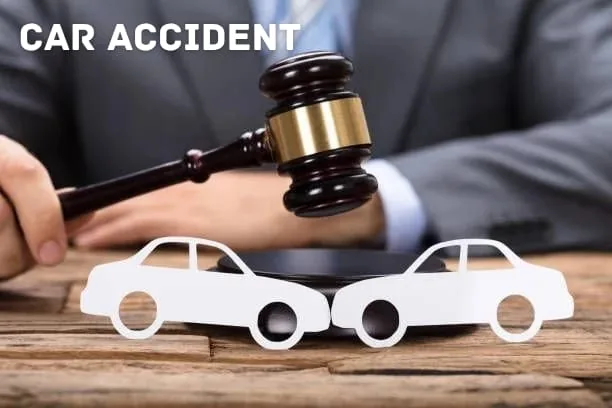
If you are asking Car Accident: Now What?, you need clear steps fast. After a car accident, first check for injuries, move to safety, call emergency services or police, document the scene, exchange information, get medical care, notify insurance, and protect your legal rights before making statements.
A car crash can leave you shocked, confused, and unsure what to do next. Even a minor road accident can become stressful when there is vehicle damage, injury, insurance trouble, or a dispute about fault. The first few minutes matter because your actions can affect your safety, your insurance claim, and your future compensation.
Whether the accident happened in the United States, Pakistan, or another place, the main steps are similar. Stay calm, protect people first, collect evidence, report the accident properly, and avoid quick decisions that may hurt your case later.
This guide explains what to do after a car accident, what documents to collect, when to file a police report or FIR, how to deal with insurance, and when legal help may be needed.
What Should I Do First After a Car Accident?
The first step after a car accident is safety. Before thinking about insurance, fault, repairs, or money, check whether anyone is hurt.
Start with these steps:
Stop your vehicle.
Check yourself for injuries.
Check passengers.
Check the other driver if it is safe.
Turn on hazard lights.
Move away from traffic if possible.
Call emergency services if anyone is injured.
Call police or traffic police if needed.
Do not leave the scene.
Stay calm and avoid arguments.
If the crash is serious, do not try to move badly injured people unless there is immediate danger, such as fire, smoke, or oncoming traffic. Wait for emergency help.
A car accident can cause shock. You may not feel pain right away. That is why you should slow down, breathe, and focus on safety first.
Move to Safety If You Can
If the vehicles are blocking traffic and can be moved safely, move them to the side of the road or shoulder. This can prevent another crash.
However, do not move the vehicles if:
Someone is seriously injured
The vehicle cannot move safely
Moving the vehicle would create more danger
Police need to inspect the scene
The accident involves serious property damage or fatality
If you move the car, take quick photos first if it is safe. Photos can show the original position of the vehicles.
Use hazard lights. If available, place warning triangles at a safe distance. At night, use phone lights or reflective items carefully. The goal is to make the scene visible and reduce risk.
Call Emergency Services or Police
After a car accident, call emergency services if anyone is injured, trapped, unconscious, bleeding, dizzy, confused, or in pain. In Pakistan, this may mean calling Rescue 1122 or the local emergency number. In other countries, call the local emergency service number.
You should also call police or traffic police when:
Someone is injured
There is major vehicle damage
The other driver leaves the scene
The other driver has no license or insurance
The accident blocks traffic
There is a dispute about fault
The other driver appears drunk or impaired
The crash involves a commercial vehicle
The accident involves a pedestrian or cyclist
You need a police report for insurance
A police report can become important evidence. It may include driver details, vehicle information, witness names, accident location, and officer observations.
Should I File an FIR After a Car Accident?
In Pakistan, an FIR, or First Information Report, may be important after a serious road accident. It may be needed if there are injuries, death, serious damage, hit-and-run, reckless driving, or a legal dispute.
You may need to file an FIR or complaint when:
Someone is injured
Someone dies
The other driver escapes
There is major property damage
The other driver refuses to cooperate
Insurance requires police documentation
A legal claim may be filed
Criminal conduct may be involved
For minor damage, the process may vary. Sometimes traffic police or local police may record the matter differently. Still, if you need an insurance claim, compensation claim, or legal action, written documentation is very important.
Keep a copy of the FIR, complaint, police report, or traffic police report. These documents can support your claim later.
Do Not Leave the Accident Scene
Leaving the scene of a car accident can create serious legal trouble, especially if someone is injured or property is damaged.
Stay at the scene until:
Everyone is safe
Information is exchanged
Police arrive, if called
Emergency help is provided
You are allowed to leave
You have documented the scene
If you must leave because of medical emergency, try to inform police, emergency services, or someone responsible. Leaving without explanation may be treated as hit-and-run in some places.
Even if the accident seems minor, leaving too quickly can create problems later. The other driver may claim more damage or injury. That is why documentation matters.
Exchange Information With the Other Driver
After safety and police reporting, exchange information with the other driver.
Collect:
Full name
Phone number
Address
Driver’s license number
Vehicle registration number
License plate number
Insurance company name
Policy number
CNIC copy or number, where appropriate
Vehicle make, model, and color
Owner name if the driver is not the owner
Be polite, but do not argue. You do not need to discuss fault at the scene. The goal is to collect facts.
If the other driver refuses to share information, note the license plate number, vehicle description, and any witness details. Tell the police or traffic officer.
Take Photos and Videos
Photos and videos can be powerful evidence after a car accident. Take pictures only if it is safe to do so.
Photograph:
Damage to all vehicles
License plates
Vehicle positions
Road layout
Traffic signs
Signals
Skid marks
Broken glass
Debris
Weather conditions
Lighting conditions
Street signs or landmarks
Visible injuries
Insurance card or documents, if allowed
Driver’s license and registration, if shared
Take photos from different angles. Wide photos show the whole scene. Close photos show damage details.
If you have dashcam video, save it immediately. Do not delete or overwrite it. Dashcam footage can help show speed, lane position, traffic signal status, and how the crash happened.
Gather Witness Information
Witnesses can help when drivers disagree about what happened.
Ask witnesses for:
Name
Phone number
Address, if they are willing
Short statement of what they saw
Whether they can speak to police or insurance
Whether they have video or photos
Do not pressure a witness. Ask politely.
A neutral witness may be very helpful if the other driver changes their story later. If witnesses leave before police arrive, you may lose important evidence.
If nearby shops, houses, or offices have CCTV cameras, note their location. Video may be deleted after a short time, so act quickly.
Avoid Admitting Fault
One of the biggest mistakes after a car accident is admitting fault too early.
Avoid saying:
“It was my fault.”
“I did not see you.”
“I am sorry, I caused this.”
“I was going too fast.”
“I should have stopped.”
“I will pay for everything.”
You can be kind without admitting fault. For example, you can say, “Are you okay?” or “Let’s call help.”
Fault can be complicated. Road conditions, traffic signals, speed, vehicle defects, witness statements, and the other driver’s actions may all matter. Let police, insurance, and legal professionals review the facts before blame is decided.
Should I Apologize After a Car Accident?
It is natural to feel sorry after a car crash, especially if someone is upset or hurt. But an apology may be misunderstood as admitting fault.
Instead of saying, “I am sorry I hit you,” say:
“Are you hurt?”
“Let’s call emergency help.”
“Let’s exchange information.”
“The police can help document this.”
“I hope everyone is okay.”
This keeps the focus on safety without harming your legal position.
A calm tone is best. Avoid anger, threats, blame, or arguments. Anything you say at the scene may be repeated later.
Seek Medical Attention
You should consider medical care after a car accident, even if you feel fine at first. Some injuries appear hours or days later.
Delayed injuries may include:
Whiplash
Back pain
Neck pain
Head injury
Internal injuries
Soft tissue injury
Shoulder injury
Knee injury
Dizziness
Numbness
Anxiety or trauma
Medical records are also important for an injury claim. They connect your injuries to the accident and show the treatment you received.
If you wait too long, the insurance company may argue that your injury was not caused by the accident. So, if you feel pain, dizziness, confusion, weakness, or unusual symptoms, see a doctor quickly.
Keep Medical Records and Bills
Medical documents can support a compensation claim.
Keep copies of:
Emergency room records
Doctor notes
Test reports
X-rays or scans
Prescriptions
Physiotherapy records
Medical bills
Hospital receipts
Follow-up appointments
Treatment plan
Work leave notes
Also keep a simple pain diary. Write down symptoms, sleep problems, missed work, treatment, and daily limitations.
A personal injury claim is stronger when the injury is documented clearly.
Notify Your Insurance Company
After a car accident, notify your insurance company as soon as possible. Most policies require prompt reporting.
When reporting, give factual information:
Date and time of accident
Location
Vehicles involved
Driver information
Police report or FIR details
Photos and videos
Witness information
Damage details
Injury details, if known
Do not guess. Do not admit fault. Do not exaggerate. Say what you know and explain that the investigation is still ongoing if facts are unclear.
Ask the insurance company what documents are required and what deadline applies.
Documents Needed for a Car Insurance Claim
For a car insurance claim, documents may vary by insurer and country. Still, common documents include:
Claim form
Police report or FIR copy
CNIC copy, where required
Driver’s license copy
Vehicle registration copy
Insurance policy details
Accident photos
Damage photos
Repair estimate
Workshop report
Medical records, if injured
Medical bills
Witness details
Written statement
Correspondence with the insurer
Some insurers may send an insurance surveyor to inspect the vehicle. Others may require you to use an approved workshop or panel workshop.
Read your policy terms carefully.
Repair Estimates and Vehicle Damage
Vehicle damage should be documented before repairs begin.
You may need:
Repair estimate
Mechanic report
Photos before repair
Photos after repair
Towing receipt
Storage bill
Parts invoice
Labor bill
Workshop receipt
Insurance survey report
If the car is not safe to drive, do not drive it. Towing may be safer.
If insurance is involved, ask whether the insurer needs inspection before repair. Repairing too early without approval may create claim problems.
What If the Other Driver Is Uninsured?
If the other driver is uninsured, your options depend on your policy and local law.
You may need to:
File a police report
Notify your insurance company
Check uninsured motorist coverage
Collect the other driver’s details
Keep repair estimates
Keep medical records
Consider legal action
Speak with a lawyer
If the other driver cannot pay, recovery may be harder. Still, documentation matters. A claim may be possible through your own coverage, the other driver personally, or a legal process.
Do not accept verbal promises without written proof.
What If the Other Driver Leaves?
If the other driver leaves the scene, it may be a hit-and-run.
Try to note:
License plate number
Vehicle make and model
Vehicle color
Driver description
Direction of travel
Time and location
Damage to the other vehicle
Witness details
CCTV locations
Dashcam footage
Call police quickly. Give all available details. Notify your insurance company and ask what hit-and-run documents are required.
Do not chase the other driver. Chasing can create more danger.
Do Not Accept a Quick Settlement Too Soon
After a car accident, the other driver or insurance company may offer quick money. Be careful.
A quick settlement may not cover:
Full repair cost
Hidden vehicle damage
Medical bills
Future treatment
Lost wages
Pain and suffering
Long-term injury
Rental car costs
Follow-up care
Once you sign a release, you may lose the right to ask for more money later.
Before accepting a settlement, understand the full damage and injury. If the accident involved serious injury, high repair cost, or disputed fault, consider speaking with a lawyer first.
Avoid Posting About the Accident Online
Do not post about the accident on social media.
Avoid posting:
Photos of the crash
Statements about fault
Injury updates
Anger at the other driver
Jokes about the crash
Repair details
Settlement details
Location claims
“I am fine” comments
Insurance companies and opposing parties may review social media. A simple post can be taken out of context.
Even private posts may be shared. It is safer to keep accident details offline until the claim is resolved.
Common Mistakes After a Car Accident
Many people make mistakes because they are shocked or stressed.
Avoid these mistakes:
Leaving the scene
Failing to call police when needed
Not getting medical care
Admitting fault
Arguing with the other driver
Forgetting to take photos
Not collecting witness details
Not reporting to insurance
Delaying medical treatment
Accepting quick settlement
Signing documents without reading
Posting on social media
Not keeping receipts
Ignoring legal notices
Missing claim deadlines
A calm and organized response can protect your health and your claim.
When Should I Hire a Lawyer After a Car Accident?
You may not need a lawyer for every minor accident. But legal help may be important when the accident is serious or disputed.
Consider a lawyer if:
Someone was injured
Someone died
Fault is disputed
Insurance denies your claim
The settlement offer is too low
The other driver is uninsured
Multiple vehicles are involved
A commercial vehicle is involved
Police filed charges
You lost wages
Medical bills are high
You may have long-term injury
The insurer asks for a recorded statement
You are asked to sign a release
You do not understand your rights
A personal injury lawyer can help review liability, damages, insurance coverage, medical records, and settlement options.
Can I Claim Compensation After a Car Accident?
You may be able to claim compensation if another person’s negligence caused the accident and you suffered losses.
Compensation may include:
Medical expenses
Hospital bills
Vehicle repair costs
Property damage
Lost wages
Loss of earning capacity
Pain and suffering
Emotional distress
Therapy or counseling
Transportation costs
Future treatment costs
The available compensation depends on the law, evidence, insurance coverage, and facts of the case.
Good documents make a claim stronger. Keep records from the beginning.
Car Accident in Pakistan: What to Keep in Mind
If a car accident happens in Pakistan, documentation can be especially important for insurance and legal claims.
You may need:
CNIC copy
Driving license copy
Vehicle registration
Insurance policy
FIR or police report
Traffic police report
Photos of the accident scene
Repair estimate
Medical records
Hospital bills
Witness information
Workshop receipts
In Islamabad, Lahore, Karachi, Rawalpindi, and other cities, traffic police procedures may vary. If the accident is serious, involve traffic police or local police and keep written proof.
If you are injured, get medical care first. Legal and insurance steps can follow once safety is handled.
What If the Insurance Company Denies the Claim?
An insurance company may deny a claim for different reasons.
Common reasons include:
Policy was expired
Driver was not covered
Late reporting
Missing documents
Disputed fault
Excluded damage
No police report or FIR where required
Incomplete claim form
Repair done without inspection
Coverage limit reached
If your claim is denied, ask for the reason in writing. Review your policy. Gather missing documents. You may be able to appeal, negotiate, or get legal advice.
Do not assume denial is final without reviewing the facts.
What If the Accident Was Minor?
Even a minor car accident should be handled carefully.
For a minor accident:
Move to safety
Take photos
Exchange information
Check for injuries
Report to insurance if needed
Keep repair estimates
Avoid admitting fault
Keep written records
Watch for delayed pain
A small dent can hide deeper damage. A small neck pain can become worse the next day.
If both drivers agree to settle privately, write everything clearly and keep proof of payment. Still, private settlements can be risky if injuries or hidden damage appear later.
Accident Timeline: What to Do Step by Step
Here is a simple timeline.
Immediately after the crash:
Stop the vehicle.
Check for injuries.
Turn on hazard lights.
Move to safety if possible.
Call emergency services if needed.
Call police or traffic police if needed.
At the scene:
Exchange information.
Take photos and videos.
Collect witness details.
Avoid admitting fault.
Note road and weather conditions.
Save dashcam footage.
After leaving the scene:
Seek medical care.
Notify insurance.
File FIR or report if required.
Keep all documents.
Get repair estimates.
Track medical bills and lost wages.
Speak with a lawyer if the case is serious.
Car Accident Document Checklist
Keep these documents in one folder:
Police report
FIR copy, if applicable
Traffic police report
Insurance claim form
Insurance policy
CNIC copy, where needed
Driving license copy
Vehicle registration
Photos and videos
Dashcam footage
Witness information
Medical records
Medical bills
Repair estimates
Workshop receipts
Towing receipts
Rental car receipts
Lost wage proof
Settlement offers
Letters from insurance
Legal notices
Good organization saves time and reduces confusion.
Questions to Ask a Lawyer After a Car Accident
Before speaking with a lawyer, prepare questions.
Helpful questions include:
Do I have a valid injury claim?
Who may be at fault?
What evidence do I need?
Should I give a recorded statement?
Should I accept the settlement offer?
Can I claim medical bills?
Can I claim lost wages?
Can I claim pain and suffering?
What if the other driver is uninsured?
What if insurance denies my claim?
What deadlines apply?
What documents should I collect?
Bring all accident documents to the meeting. A lawyer can give better guidance when the facts are organized.
How Lawlion Can Help
Lawlion helps users prepare clearer legal documents, organize facts, and improve legal writing. If you are asking Car Accident: Now What?, you may need help organizing accident documents before filing an insurance claim or speaking with a lawyer.
Lawlion can help with:
Car accident timeline summaries
Insurance claim document checklists
Evidence summaries
Medical bill summaries
Repair estimate summaries
Witness information organization
Police report summaries
FIR document summaries
Questions for a lawyer
Plain-English legal writing
AI-assisted legal document support
Lawlion is not a law firm and does not provide legal representation. It does not replace advice from a licensed personal injury lawyer, insurance lawyer, or local legal professional.
However, Lawlion can help make accident documents clearer, more organized, and easier to discuss with the right professional.
FAQs About What to Do After a Car Accident
What should I do first after a car accident?
First, check for injuries, move to safety if possible, turn on hazard lights, call emergency services if needed, and call police or traffic police when required.
Should I call the police after a minor car accident?
You should call police if there is injury, major damage, hit-and-run, uninsured driver, fault dispute, or if your insurance requires a police report.
Do I need to file an FIR after a car accident?
In Pakistan, an FIR may be needed for serious injury, death, hit-and-run, major damage, criminal conduct, or insurance and legal claims.
Should I move my car after an accident?
Move your car only if it is safe and allowed. If there are serious injuries or major damage, wait for police unless the vehicle creates immediate danger.
What information should I exchange after a car accident?
Exchange names, phone numbers, addresses, license numbers, vehicle registration, license plates, insurance details, and CNIC information where appropriate.
What photos should I take after a car accident?
Take photos of vehicle damage, license plates, road signs, traffic signals, skid marks, debris, weather, visible injuries, and the full accident scene.
Should I admit fault after a car accident?
No. Do not admit fault at the scene. Fault may depend on evidence, traffic laws, road conditions, and the other driver’s actions.
Should I apologize after a car accident?
Be polite, but avoid statements that sound like fault admission. Ask if everyone is safe and call help if needed.
Do I need to see a doctor even if I feel fine?
Yes, consider medical care. Some injuries, such as whiplash or internal injuries, may appear later.
When should I notify my insurance company?
Notify your insurance company promptly after the accident. Give facts, but do not guess or admit fault.
What documents are needed for a car insurance claim?
You may need a claim form, police report or FIR, license copy, vehicle registration, CNIC copy, photos, repair estimate, medical records, and bills.
What if the other driver is uninsured?
File a police report, notify your insurer, check your own coverage, collect evidence, and consider legal advice.
What if the insurance company denies my claim?
Ask for the denial reason in writing, review your policy, gather missing documents, and consider legal help.
Should I accept the first settlement offer?
Not always. Do not accept a quick settlement before knowing the full cost of repairs, medical treatment, lost wages, and future needs.
When should I hire a lawyer after a car accident?
Consider a lawyer if there are injuries, death, disputed fault, insurance denial, low settlement offer, uninsured driver, multiple parties, or high medical bills.
Can I claim medical expenses after a car accident?
Yes, if the law and facts support your claim. Medical records and bills are important evidence.
Can I claim vehicle repair costs?
Yes, vehicle repair costs may be part of an insurance or compensation claim if properly documented.
Can I claim lost wages after a car accident?
You may be able to claim lost wages if injuries from the accident caused you to miss work. Keep employer records and medical proof.
What mistakes should I avoid after a car accident?
Avoid leaving the scene, admitting fault, ignoring medical care, failing to take photos, missing insurance deadlines, and accepting quick settlement offers.
Can Lawlion help organize car accident documents?
Yes. Lawlion can help organize accident timelines, police reports, FIR documents, medical bills, repair estimates, insurance papers, and questions for a lawyer.
Conclusion
If you are asking Car Accident: Now What?, start with safety. Check for injuries, move away from danger, call emergency services or police, and document the accident scene. Then exchange information, seek medical care, notify insurance, and keep all records.
A car accident can affect your health, vehicle, insurance claim, income, and legal rights. That is why you should avoid admitting fault, avoid quick settlement decisions, and avoid signing documents you do not understand.
If the accident involves injury, major damage, disputed fault, uninsured drivers, insurance denial, or legal notices, speaking with a lawyer may help protect your claim.
Lawlion can help you organize accident documents, prepare timelines, summarize medical bills, collect repair records, and create questions for a lawyer. Clear accident decisions start with clear documents.