Is Pleading Guilty the Same as a Conviction?
 Sahar Syed··7 min read·Criminal Law
Is pleading guilty the same as a conviction? Usually, yes, after the judge accepts the plea and enters an adjudication. A guilty plea admits the charge, while a conviction records the court's legal finding. Some diversion or deferred programs postpone that finding and can prevent a state conviction after successful completion.
The exact result depends on the court, plea terms, sentence, and jurisdiction. Federal immigration law can count some withheld adjudications as convictions.
Is Pleading Guilty the Same as a Conviction in Every Case?
A guilty plea normally leads to a conviction, but the 2 terms describe different legal steps. You enter the plea. The judge reviews the plea, accepts or rejects the plea, and enters the court's result.
Federal Rule of Criminal Procedure 11 requires a federal judge to question you before accepting a guilty plea. The judge must confirm your understanding, voluntariness, waived rights, possible penalties, and the charge's factual basis.
Federal Rule of Criminal Procedure 32 separates the plea from the judgment. A federal judgment lists the plea, adjudication, sentence, and judge's signature.
A guilty plea serves as your formal admission
Is pleading guilty the same as a conviction at admission? The plea supplies the admission, not the final judgment. The plea also waives confrontation, compulsory process, silence, and jury rights. The court records your plea-colloquy answers to assess validity.
A conviction serves as the court's legal result
Is pleading guilty the same as a conviction at judgment? The judgment records guilt after the plea supplies the admission. Convictions can also follow no-contest pleas, bench trials, or jury trials. The conviction date controls many deadlines and reporting duties.
Court acceptance connects the 2 stages
The judge must accept the plea before the plea resolves the charge. A rejected plea does not create the same result as an accepted plea.
Is pleading guilty the same as a conviction before judicial acceptance? No. You can usually withdraw an unaccepted federal plea without proving a special reason.
When Is Pleading Guilty the Same as a Conviction on Your Record?

Is pleading guilty the same as a conviction on your record? Usually, yes, once the court enters guilt or judgment. Court databases then connect the final charge, plea, disposition, and sentence.
Is pleading guilty the same as a conviction on a background report? The report usually shows both plea and disposition. Background reports can display plea, sentence, and status fields. Employers, landlords, licensing boards, and government agencies can interpret the listed fields under different laws.
The docket can show a plea before final judgment
Is pleading guilty the same as a conviction on the plea date? Not always. A docket can list the plea before sentencing and judgment. The sequence does not prevent an eventual conviction.
The judgment identifies the final conviction
The signed judgment provides the clearest record. The judgment identifies the offense, adjudication, sentence, and court orders. Obtain a certified disposition for exact case information.
Record labels differ among court systems
Court systems use labels such as convicted, adjudicated guilty, judgment entered, and guilty plea accepted. Compare the docket, plea order, sentencing order, and judgment.
What Happens When a Judge Accepts Your Guilty Plea?
The judge ends the trial phase, confirms the factual basis, and moves the case toward sentencing. The court can sentence you immediately or schedule sentencing later.
Is pleading guilty the same as a conviction at the plea hearing? The accepted plea usually establishes guilt, while the written judgment completes the formal record.
The judge conducts a plea colloquy
Is pleading guilty the same as a conviction during the colloquy? The colloquy validates the plea before judgment. The judge asks about understanding, advice, penalties, and waived rights. Answer truthfully and request clarification before any unclear answer.
The decision belongs to you after legal advice. LawLion's client plea decisions guide explains the division between client authority and lawyer strategy.
The prosecutor states the factual basis
Is pleading guilty the same as a conviction without supporting facts? No. The prosecutor states facts supporting each offense element. The judge can reject the plea when the record lacks a sufficient factual basis.
The court sets or imposes the sentence
Is pleading guilty the same as a conviction without sentencing? The accepted plea establishes guilt, while sentencing sets punishment. The judge can impose binding terms or consider recommendations. Sentences include incarceration, probation, fines, restitution, treatment, forfeiture, and supervision.
How Does a Guilty Plea Differ From a Trial Conviction?
Both paths can produce the same conviction, but each path reaches guilt differently. A plea uses your admission. A trial uses evidence and a judge's or jury's finding.
Is pleading guilty the same as a conviction after trial? The legal result can match, but the procedures and preserved issues differ.
A trial requires proof beyond a reasonable doubt
The prosecution must prove every offense element at trial. You retain confrontation, silence, compulsory process, and jury rights. LawLion's criminal proof standard guide explains that burden. A guilty plea removes the trial burden for the admitted charge.
A guilty plea waives most trial disputes
Is pleading guilty the same as a conviction for appeal rights? The conviction remains, but the plea narrows review. A valid guilty plea usually waives evidence and procedural claims. A conditional plea can preserve named issues. Read every appeal waiver before signing.
Sentencing can still require disputed findings
A guilty plea does not settle every sentencing issue. The parties can dispute loss, enhancements, restitution, criminal history, and guideline calculations. The judge resolves sentencing disputes.
Which Exceptions Can Prevent a Guilty Plea From Becoming a Standard Conviction?
Diversion, deferred adjudication, withheld adjudication, and plea withdrawal can change the ordinary result. Each exception depends on precise statutory language and successful compliance.
Is pleading guilty the same as a conviction under every deferred program? No. State law can postpone or withhold a formal adjudication.
Deferred adjudication postpones the guilt judgment
Is pleading guilty the same as a conviction during deferred adjudication? State law can answer no. A deferred program can require a guilty or no-contest plea before supervision. The court postpones a formal guilt finding while you complete conditions.
Conditions include supervision, treatment, testing, restitution, classes, community service, and new-offense restrictions. Successful completion can produce dismissal, while records can retain the plea.
Diversion can avoid a guilty plea
Some diversion programs require no guilty plea. Programs include drug treatment, mental health treatment, veteran services, theft education, and restorative justice. Successful completion can produce dismissal.
Withheld adjudication creates mixed consequences
Some courts accept a plea but withhold formal conviction under state law. Federal immigration law can still count the plea plus punishment or restraint.
A withdrawn plea does not equal a standing conviction
A court can permit pre-sentence withdrawal for a fair and just reason. A withdrawn plea stops serving as the final disposition, but prosecution can resume.
Is Pleading Guilty the Same as a Conviction for Immigration Purposes?
Federal immigration law uses a broad conviction definition that can reach deferred state outcomes. Noncitizens need immigration-specific advice before entering any plea.
Is pleading guilty the same as a conviction when a state judge withholds adjudication? Federal immigration law can answer yes. The federal definition focuses on the plea and imposed penalty.
Federal law can count withheld adjudication
The Immigration and Nationality Act uses 2 conviction routes. A formal judgment qualifies. A withheld adjudication can qualify after a plea plus punishment or restraint.
Immigration consequences depend on the exact offense
Is pleading guilty the same as a conviction for noncitizens? Federal immigration law can treat the plea as a conviction. Consequences can affect removal, admission, naturalization, visas, and residence. Key categories include drug, domestic violence, firearms, and aggravated felony offenses.
State record relief does not always erase federal effects
Expungement, sealing, dismissal, or rehabilitation can improve state consequences. Federal immigration authorities can still recognize the disposition. Legal-defect vacatur receives different analysis.
How Do No-Contest and Alford Pleas Affect Conviction Status?
No-contest and Alford pleas usually produce convictions despite different factual positions. The sentencing court treats each accepted plea as a basis for judgment.
A no-contest plea avoids a direct admission
Is pleading guilty the same as a conviction after no contest? The conviction effect usually matches. A no-contest plea avoids a direct factual admission. The resulting conviction usually matches a guilty plea for criminal punishment.
An Alford plea maintains an innocence claim
Is pleading guilty the same as a conviction after an Alford plea? The court still enters conviction. An Alford plea maintains innocence while accepting judgment. The judge must find a strong factual basis. Courts can reject Alford pleas.
Both pleas can appear on background checks
Background reports can show conviction after either plea. No-contest or Alford language does not protect employment, housing, immigration, licensing, or firearm rights.
What Consequences Follow a Conviction Based on a Guilty Plea?
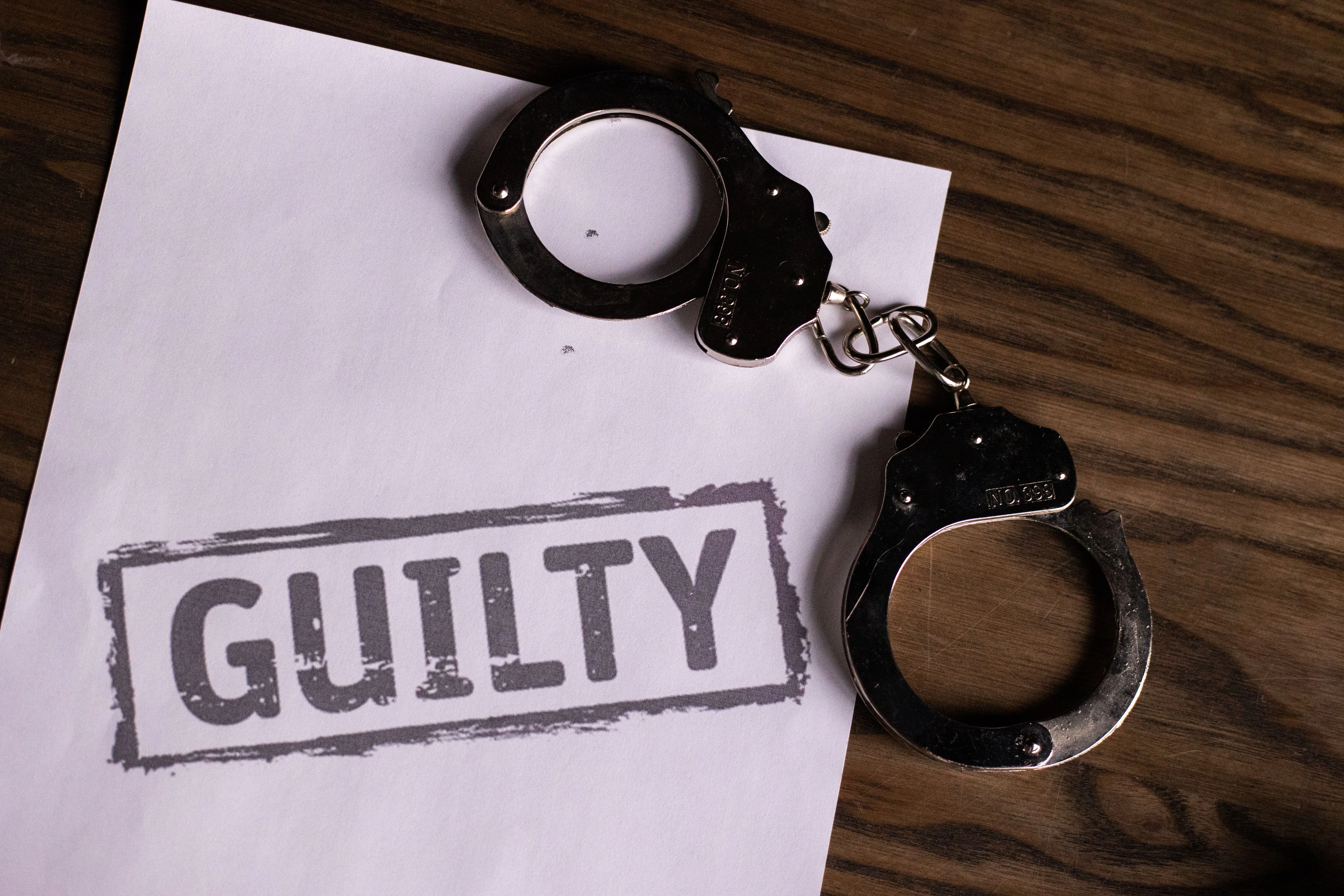
Is pleading guilty the same as a conviction for collateral consequences? Usually, agencies rely on the final disposition. A conviction can affect liberty, employment, housing, immigration, and family matters. The sentence represents only 1 category of consequence.
Is pleading guilty the same as a conviction for future consequences? Usually, yes, because agencies focus on the final disposition.
Direct consequences come from the sentencing court
Direct consequences include incarceration, probation, fines, restitution, forfeiture, treatment, and community service. A plea agreement can set binding terms, recommendations, or ranges.
Collateral consequences arise outside sentencing
Collateral consequences include license discipline, job restrictions, housing denials, firearm restrictions, and registration duties. Your lawyer should investigate consequences tied to your occupation and status.
Future courts can use the conviction
A later court can use the conviction for criminal history, bail, impeachment, probation violations, or enhancements. Sealing can limit public access without blocking every government use.
How to Check Whether Your Guilty Plea Became a Conviction
To check whether your guilty plea became a conviction, review 5 records and compare each disposition field. Do not rely solely on memory or a commercial background report.
Review the online court docket
To review the online court docket, search the court's official portal using your case number. Record the plea date, disposition, sentencing date, and case status.
An online docket provides a starting point but can contain abbreviations, delays, or clerical errors.
Request the signed judgment and certified disposition
To request the signed judgment, contact the court clerk and ask for the final judgment. Also request a certified disposition when another agency requires proof.
The judgment should identify the offense, plea, adjudication, and sentence. Compare each item with the plea agreement.
Compare agency and background records
To compare agency records, obtain reports from relevant sources, including state repositories, licensing boards, and immigration files. Challenge inaccurate entries through each source's correction process.
Keep certified dismissal, discharge, sealing, and amended judgment records for correction requests.
Quick Reference: 5 Checks After a Guilty Plea
Task 1 - Confirm acceptance. Timing: same day. Method: read the minute entry or hearing transcript. Difficulty: low.
Task 2 - Confirm adjudication. Timing: within 3 business days. Method: review the docket and signed order. Difficulty: moderate.
Task 3 - Confirm sentencing terms. Timing: before sentencing. Method: compare the plea agreement with the presentence report. Difficulty: moderate.
Task 4 - Confirm record status. Timing: within 30 days after judgment. Method: request a certified disposition. Difficulty: low.
Task 5 - Confirm collateral effects. Timing: before accepting the plea. Method: review immigration, licensing, employment, and firearm rules. Difficulty: high.
Can You Withdraw or Challenge a Guilty Plea?
You can challenge some guilty pleas, but timing and legal grounds control the available remedy. Regret alone rarely supports withdrawal after judicial acceptance.
Is pleading guilty the same as a conviction forever? No, but removing the conviction requires a valid legal process.
Withdrawal before sentencing uses a lower standard
Federal courts allow pre-sentence withdrawal for a fair and just reason. Courts examine delay, innocence claims, legal advice, prejudice, and voluntariness. Act quickly and preserve supporting records.
Post-sentence challenges use limited routes
After sentencing, direct appeal or collateral attack provides the usual federal route. Grounds include involuntariness, ineffective assistance, jurisdictional defects, and plea-agreement violations. Deadlines can expire quickly.
Record relief does not erase every consequence
Expungement, sealing, pardon, set-aside, and vacatur provide different relief. Ask which courts, police, licensing, immigration, and firearm agencies retain access.
Frequently Asked Questions
Is pleading guilty the same as a conviction before sentencing?
Yes, usually after the judge accepts the plea and adjudicates guilt. The written judgment and sentence can follow later.
Does every guilty plea appear on a background check?
No. Sealing, reporting limits, database errors, deferred status, and jurisdictional rules can affect visibility.
Can deferred adjudication prevent a conviction?
Yes, under some state laws. Successful completion can avoid a formal state conviction, but federal definitions can differ.
Does a no-contest plea create a conviction?
Yes, usually. A no-contest plea avoids a direct factual admission but normally permits judgment and sentencing.
Can you appeal after pleading guilty?
Yes, on limited grounds. Appeal waivers, deadlines, plea validity, jurisdiction, and preserved issues control review.
Legal Information Notice
The LawLion guide provides general United States legal information. State law, local procedure, plea language, immigration status, and case facts change individual results.
Conclusion: Review the Record Before Accepting a Plea
Is pleading guilty the same as a conviction? Usually, yes, although court acceptance and special programs can change timing or status. Review the plea, judgment, sentence, and collateral effects before making a final decision. Read LawLion's criminal defense lawyer guide and speak with licensed counsel about your jurisdiction.