What Is a Preparation Appointment? Court Preparation and Legal Strategy Explained
 Sahar Syed··6 min read·Litigation
If you are asking what is a preparation appointment, it usually means your lawyer has scheduled a meeting before a court date, hearing, trial, deposition, mediation, or another legal event. A preparation appointment helps you review your case, organize documents, prepare testimony, and understand what may happen next.
A legal case can feel stressful when you do not know what to expect. You may worry about what to say, what to bring, how the judge will ask questions, what the other side may argue, or whether settlement is possible. That is why court preparation matters.
During a preparation appointment, your lawyer may review the facts, legal issues, evidence, witnesses, exhibits, testimony, settlement options, and likely outcomes. The goal is not only to prepare documents. The goal is to prepare you.
This Lawlion guide explains what a preparation appointment means, why it matters, what happens during the meeting, what you should bring, what questions to ask, and how Lawlion can help organize your legal materials before the appointment.
What Is a Preparation Appointment in Simple Terms?

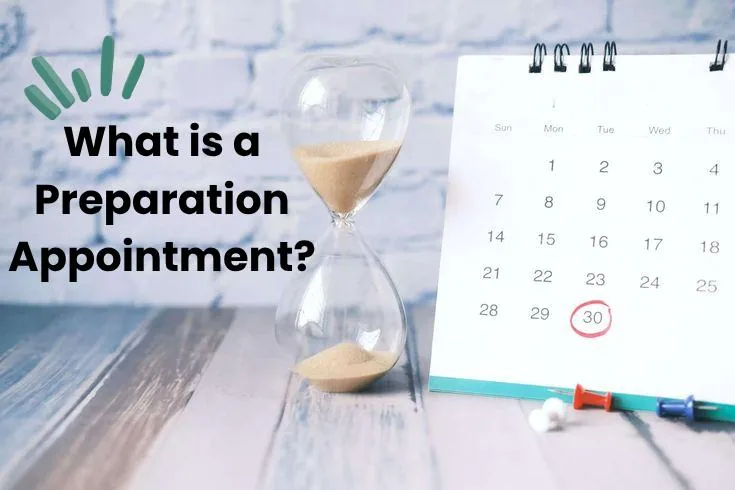
A preparation appointment is a meeting where you and your lawyer prepare for an important legal step. It may happen before a court hearing, trial, deposition, mediation, settlement conference, or another legal appointment.
In simple terms, it is a planning meeting.
Your lawyer uses this time to help you understand what the event is about, what the court may need, what evidence supports your position, what weaknesses may exist, and what you should expect. You may also practice what you will say if you need to testify.
A preparation appointment is different from a general consultation. A consultation may explain your options at the start of a case. A preparation appointment is more focused. It looks at a specific upcoming event and helps you get ready for it.
For example, if you have a hearing next week, your lawyer may schedule a preparation appointment to review your testimony, documents, witness list, exhibits, and courtroom strategy.
Why Did My Lawyer Schedule a Preparation Appointment?
Your lawyer may schedule a preparation appointment because something important is coming up. It may be a court date, a deposition, a mediation session, or a trial. The lawyer wants to make sure you understand the process and are not surprised.
Legal events can move quickly. If you walk into court without preparation, you may forget facts, bring the wrong documents, miss important points, or feel too nervous to explain yourself clearly.
A preparation appointment helps prevent that.
It gives you time to ask questions, correct facts, review documents, and understand the next steps. It also helps your lawyer make sure the case is organized.
In many cases, the lawyer already knows the law, but only you know the full story. Your meeting helps connect the legal strategy with the real facts of your case.
When Does a Preparation Appointment Happen?
A preparation appointment usually happens before an important legal event. It may be scheduled days or weeks before the event, depending on the case.
For a short hearing, the meeting may happen a few days before court. For a trial, deposition, or complex hearing, preparation may begin earlier. If witnesses need subpoenas, exhibits need to be prepared, or documents need to be filed, your lawyer may need more time.
Preparation appointments may happen before many legal events, including family court hearings, criminal court dates, civil trials, probate hearings, business disputes, personal injury mediations, depositions, settlement conferences, and final hearings.
The timing matters. If the meeting happens too late, there may not be enough time to fix missing documents or prepare witnesses. This is why it is better to respond quickly when your lawyer asks for documents or schedules the meeting.
Is a Preparation Appointment Only for Court?
No. A preparation appointment is not only for court. It can help before any serious legal event where your words, documents, or decisions matter.
You may need preparation before mediation, where both sides try to settle the case. You may need it before a deposition, where you answer questions under oath. You may need it before a negotiation, where settlement terms are discussed. You may also need it before a meeting with the other side, an agency, an insurance company, or a court official.
The purpose stays the same: prepare the client, organize the facts, review the documents, and create a clear plan.
Even if you are not going before a judge, preparation can still protect you. A careless statement in mediation or deposition may affect the case later. A missed document may weaken your position. A weak explanation may make settlement harder.
What Happens During a Preparation Appointment?
During a preparation appointment, your lawyer usually reviews the main parts of your case with you. The meeting may begin with a simple case update. Your lawyer may explain what event is coming up, what the purpose of that event is, and what the court or opposing side may focus on.
After that, the lawyer may review the facts. This can include dates, documents, messages, agreements, payments, injuries, court orders, witness names, or other important details. If anything has changed since the last meeting, this is the time to say so.
Your lawyer may also review the legal issues. For example, they may explain what the judge must decide, what the burden of proof is, and what facts are most important.
If you may testify, your lawyer may help you practice. This does not mean memorizing fake answers. It means learning how to tell the truth clearly, answer only the question asked, and avoid guessing.
The appointment may also cover settlement. Your lawyer may discuss what the other side wants, what you are willing to accept, what risks exist, and what outcome may be realistic.
What Does a Lawyer Review in a Preparation Appointment?
A lawyer may review many parts of the case during a legal preparation appointment. The exact details depend on the type of case and the upcoming event.
Most preparation meetings include some review of documents, facts, evidence, testimony, witnesses, legal standards, court procedure, and possible outcomes.
Your lawyer may ask about what happened, when it happened, who was present, what proof exists, and what has changed. They may compare your story with court papers, text messages, emails, photos, financial records, police reports, contracts, medical records, or prior orders.
This helps the lawyer find strong points and weak points before the other side raises them.
A good preparation appointment is honest. If there is a bad fact, it should not be hidden from your lawyer. Lawyers can often deal with difficult facts better when they know about them early.
Why Legal Strategy Matters
A preparation appointment is not only about collecting papers. It is also about legal strategy.
Legal strategy means the plan for how to present your case. It includes what issues to focus on, what evidence to use, what arguments to make, what witnesses may help, and what risks should be avoided.
For example, a case may have ten emotional issues, but the judge may only care about three legal issues. Your lawyer may help you focus on what matters most.
This can be hard for clients because legal cases often involve stress, anger, fear, or personal pain. A preparation appointment helps turn that emotion into a clear plan.
Instead of trying to say everything, you learn what the court needs to hear.
Preparing Your Testimony
If you may have to speak in court or answer questions under oath, your lawyer may use the preparation appointment to help you prepare your testimony.
Testimony means statements given under oath. It may happen in court, at a deposition, or during another legal proceeding.
Testimony preparation does not mean your lawyer tells you what to say. It means your lawyer helps you understand how to answer truthfully and clearly.
You may learn to listen to the full question, pause before answering, avoid guessing, ask for clarification if confused, and stay calm if the other side asks difficult questions.
This is very important because nervous people often talk too much. They may answer questions that were not asked. They may guess. They may become emotional. They may use unclear words.
Preparation helps you stay focused.
Reviewing Witnesses and Exhibits
A court preparation appointment may also include witness and exhibit review.
A witness is a person who may give information about the case. An exhibit is a document, photo, record, message, video, or other item that may be used as evidence.
Your lawyer may review who needs to testify, what each witness knows, whether a witness should be subpoenaed, and whether the witness is reliable. The lawyer may also review which exhibits are ready and which are missing.
This matters because court is not the place to suddenly discover that a key document is not available or a witness cannot come.
Common exhibits may include:
Court papers, prior orders, contracts, letters, emails, text messages, photos, videos, financial records, police reports, medical records, invoices, calendars, and witness statements.
Personal notes, timelines, receipts, call logs, screenshots, repair records, property records, school records, or employment records.
Any document that supports your side or helps explain the facts in a clear way.
This is one of the few times a short list is useful. The main point is simple: bring anything that may help your lawyer understand the case, even if you are not sure it matters.
Discussing Settlement Options
A preparation appointment may include a settlement discussion.
Settlement means both sides agree to resolve the case without a full trial or final hearing. Many legal cases settle before trial. This can save time, money, and stress.
Your lawyer may explain what the other side offered, what you may offer, what terms are reasonable, and what risks exist if the case does not settle.
Settlement is not always the right choice. Sometimes trial is needed. But you should understand both paths before making a decision.
A preparation appointment gives you time to think clearly. It is better to discuss settlement before court than to make a rushed decision in the hallway outside the courtroom.
Understanding Legal Standards and Burden of Proof
Legal cases are not decided only by what feels fair. They are decided by legal standards.
During a preparation appointment, your lawyer may explain the legal standard that applies to your case. They may also explain the burden of proof.
The burden of proof means who must prove something and how strong the proof must be. In some cases, one side must prove the claim. In other cases, each side must prove different issues.
This matters because you may believe something strongly, but the court may need evidence. A judge may not accept a statement unless it is supported by documents, testimony, or other proof.
Your lawyer can help you understand what the court must decide and what evidence may help.
What Should I Bring to a Preparation Appointment?
You should bring documents, notes, questions, and updates related to your case. If you are not sure whether something matters, bring it anyway or ask your lawyer.
Try to bring court papers, notices, prior orders, letters from the other side, text messages, emails, photos, financial records, witness names, calendars, police reports, medical records, contracts, receipts, or anything connected to the case.
You should also bring a short timeline. A timeline helps your lawyer understand the order of events. It does not need to be perfect. It should include dates, names, locations, and what happened.
Also bring your questions. Many clients forget their questions during legal meetings because they feel nervous. Writing them down helps you use the appointment well.
Questions to Ask Your Lawyer
A preparation appointment is your chance to ask important questions before the legal event. You do not need to stay silent because you think the lawyer is too busy. Good questions help both you and your lawyer prepare.
You may ask:
What is the main purpose of the hearing, trial, deposition, or mediation?
What should I say, and what should I avoid saying?
What documents, witnesses, or exhibits matter most?
What outcome is possible, and what risks should I understand?
What are the next steps after this appointment?
These questions are simple, but they can make the meeting much more useful.
If you do not understand an answer, ask again. A good preparation appointment should leave you clearer, not more confused.
Can a Preparation Appointment Happen by Phone or Zoom?
Yes. A preparation appointment can often happen in person, by phone, or by Zoom. The best format depends on the case, the lawyer, the documents, and the legal event.
An in-person meeting may help when there are many papers, exhibits, or emotional issues. A phone meeting may work for simple updates. A Zoom meeting may be useful when the client and lawyer are in different places but still need face-to-face communication.
No matter how the meeting happens, the goal is the same. You should be ready to discuss facts, documents, testimony, strategy, questions, and next steps.
If the appointment is virtual, test your phone, internet, camera, and microphone before the meeting. Also keep your documents nearby.
How Long Does a Preparation Appointment Take?
The length of a preparation appointment depends on the case. A simple court preparation meeting may take less than an hour. A serious trial or deposition preparation session may take several hours or more than one meeting.
A short meeting may be enough if the issue is narrow and documents are already organized. A longer meeting may be needed if the case has many witnesses, exhibits, financial records, messages, or legal issues.
The goal is not to make the meeting long. The goal is to make it useful.
If your lawyer asks for documents before the appointment, send them early. This can save time and help the lawyer focus on strategy instead of sorting papers during the meeting.
Mistakes to Avoid Before a Preparation Appointment
Many clients make mistakes because they do not know what the appointment is for. The biggest mistake is arriving unprepared.
Do not wait until the last minute to gather documents. Do not hide bad facts. Do not assume your lawyer already knows every update. Do not bring a pile of screenshots with no dates or context. Do not ignore messages from your lawyer before the meeting.
Another mistake is focusing only on emotion. Your feelings matter, but the court also needs facts and evidence. A preparation appointment helps you connect your story to proof.
Also avoid posting about your case online. Social media posts, comments, photos, and messages may be used against you.
How a Preparation Appointment Reduces Stress
A preparation appointment can reduce stress because it replaces confusion with a plan.
Many people feel nervous before court because they do not know what will happen. They worry about where to stand, when to speak, what the judge may ask, and whether they will say the wrong thing.
Preparation helps you understand the process. You may still feel nervous, but you will know what to expect.
You may learn what the hearing is about, what documents matter, what questions may come up, and what the possible outcomes are. This can make the legal event feel less overwhelming.
Confidence does not come from pretending the case is easy. It comes from being prepared.
What Happens After a Preparation Appointment?
After a preparation appointment, your lawyer may give you next steps. These may include sending missing documents, contacting witnesses, reviewing your timeline, signing papers, preparing for testimony, or waiting for the court date.
Your lawyer may also prepare exhibits, file documents, contact the other side, issue subpoenas, update settlement offers, or organize the court strategy.
You should write down what you need to do after the meeting. If the lawyer gives a deadline, take it seriously.
A preparation appointment is not always the final step. It may be part of a larger process. If something changes after the appointment, tell your lawyer as soon as possible.
What If I Forget Something Important?
If you forget something during the appointment, contact your lawyer as soon as you remember. Do not wait until the court date if the information may matter.
Clients often remember details later. That is normal. What matters is sharing the update quickly.
For example, you may remember a witness name, find an important text message, receive a new court paper, or realize that a date was wrong in your timeline. These details may affect the case.
It is better to correct information early than to let your lawyer prepare with incomplete facts.
Preparation Appointments in Different Case Types

A preparation appointment can look different depending on the case.
In a family law case, the lawyer may review custody issues, parenting schedules, support documents, financial records, text messages, and prior orders.
In a criminal case, the lawyer may review police reports, body camera video, witness statements, possible plea offers, trial risks, and what the client should avoid saying.
In a civil lawsuit, the lawyer may review contracts, damages, witness testimony, discovery responses, exhibits, and settlement options.
In a probate case, the lawyer may review wills, estate documents, creditor claims, family disputes, and hearing requirements.
The details change, but the purpose is the same: prepare the client and the case before the legal event.
Why Honesty Matters During Preparation
Honesty is one of the most important parts of a legal preparation appointment.
Your lawyer needs to know the good facts and the bad facts. If you hide something, your lawyer may be surprised in court. That can harm the case.
Bad facts are not always fatal. Many cases have weak points. A lawyer can often prepare for them if they know early.
For example, if there is a damaging text message, a missing payment, a prior statement, a mistake, or a witness who may disagree with you, tell your lawyer. It is better for your lawyer to hear it from you than from the other side in court.
Preparation works best when the client and lawyer are honest with each other.
How Lawlion Can Help
Lawlion helps users organize legal information, prepare clearer documents, and understand legal steps in plain English. If you are asking what is a preparation appointment, you may be getting ready for court, mediation, deposition, trial, or another important legal event.
Lawlion can help you prepare document summaries, case timelines, witness lists, exhibit notes, questions for your lawyer, court paper summaries, and preparation checklists.
Lawlion is not a law firm and does not provide legal representation. It does not replace advice from a licensed attorney.
However, Lawlion can help make your legal information clearer and easier to discuss with your lawyer. When your documents and questions are organized, your preparation appointment can be more focused and productive.
FAQs About Preparation Appointments
What is a preparation appointment in simple terms?
A preparation appointment is a meeting with your lawyer before a court date, hearing, trial, deposition, mediation, or other legal event. It helps you review the case, prepare documents, discuss strategy, and understand what may happen next.
Why did my lawyer schedule a preparation appointment?
Your lawyer likely scheduled it because an important legal event is coming up. The meeting helps review facts, evidence, testimony, witnesses, settlement options, and legal strategy before that event.
When does a preparation appointment happen?
It usually happens before court, trial, mediation, deposition, or a major hearing. It may happen days or weeks before the event, depending on the case.
Is a preparation appointment only for court?
No. It can also happen before mediation, deposition, negotiation, settlement conference, or another important legal meeting.
Can a preparation appointment happen by phone or Zoom?
Yes. A preparation appointment may happen in person, by phone, or by Zoom, depending on the lawyer, client, and case needs.
What happens during a preparation appointment?
Your lawyer may review documents, facts, legal issues, witnesses, exhibits, testimony, settlement options, likely outcomes, and next steps.
What should I bring to a preparation appointment?
Bring court papers, prior orders, text messages, emails, photos, financial records, witness names, timelines, police reports, medical records, contracts, receipts, and questions for your lawyer.
Do I need to bring court papers?
Yes. Bring any court papers you have, including notices, orders, motions, petitions, complaints, summonses, or letters from the court.
Should I bring text messages, emails, or photos?
Yes, if they relate to the case. Try to keep them organized with dates, names, and short notes explaining why they matter.
Will my lawyer prepare my testimony?
If you may testify, your lawyer may help you practice how to answer clearly and truthfully. This does not mean memorizing fake answers. It means preparing to speak with confidence and care.
Will we review witnesses and exhibits?
In many cases, yes. Your lawyer may review witness names, witness testimony, exhibit lists, documents, photos, videos, and other evidence.
Will we discuss settlement options?
Yes, if settlement is possible. Your lawyer may explain offers, risks, likely outcomes, and whether settlement may be better than continuing to trial.
Will we talk about the likely outcome?
Your lawyer may discuss possible outcomes and risks. No lawyer can promise a result, but they can explain what may happen based on the facts and law.
What questions should I ask my lawyer?
Ask what the legal event is for, what the court will decide, what you should bring, what you may be asked, what risks exist, and what the next steps are.
How long does a preparation appointment take?
It depends on the case. A simple meeting may be short. A trial or deposition preparation session may take much longer.
What happens after the preparation appointment?
After the appointment, you may need to send documents, update your timeline, contact witnesses, review testimony, or follow other instructions from your lawyer.
What if I forget something important?
Contact your lawyer as soon as you remember. Do not wait until the court date if the information may affect the case.
Can a preparation appointment reduce stress before court?
Yes. It can reduce stress by helping you understand the process, organize documents, prepare testimony, and know what to expect.
Can Lawlion help organize preparation appointment documents?
Yes. Lawlion can help organize timelines, court papers, witness notes, exhibit lists, document summaries, and questions for your lawyer.
Conclusion
So, what is a preparation appointment? It is a focused meeting with your lawyer before a court date, hearing, trial, deposition, mediation, or other legal event. It helps you understand the process, review documents, prepare testimony, discuss strategy, and plan the next steps.
A preparation appointment can make a major difference because legal events require more than showing up. You need to know what matters, what evidence supports your case, what questions may come up, and what risks should be avoided.
The best preparation is honest, organized, and timely. Bring your documents. Share updates. Ask questions. Tell your lawyer the full story, including difficult facts. Good preparation helps your lawyer build a stronger plan and helps you feel more confident.
If you need help organizing court papers, timelines, exhibits, witness notes, or questions before your legal meeting, Lawlion can help. A clear legal plan starts with clear preparation.