
Pete Hegseth’s Legal Case Against Senator Mark Kelly: Complete Case Brief
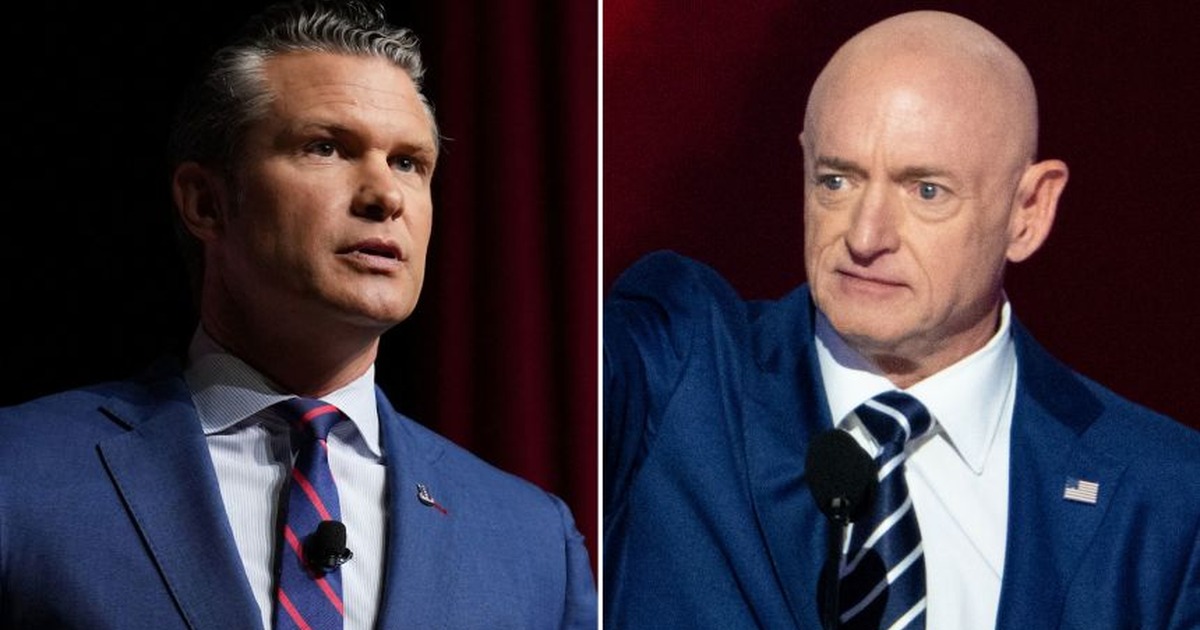
In one of the most constitutionally significant military law disputes in recent American history, Defense Secretary Pete Hegseth initiated administrative and quasi-criminal proceedings against sitting US Senator Mark Kelly (D-AZ), a decorated Navy combat veteran and retired captain. The case — centering on a video in which Kelly urged service members to refuse illegal orders — has raised profound questions about the First Amendment rights of retired military members, the Speech and Debate Clause of the Constitution, the proper scope of military jurisdiction over civilians, and the separation of powers between the executive and legislative branches.
Case Overview
| Case Name | Kelly v. Hegseth |
|---|---|
| Court | U.S. District Court for the District of Columbia |
| Filed | January 2026 |
| Presiding Judge | Judge Richard J. Leon (George W. Bush appointee) |
| Plaintiff | Senator Mark Kelly (D-AZ), Retired Navy Captain |
| Defendant | Pete Hegseth, Secretary of Defense; Department of Defense; United States |
| Key Claims | First Amendment; Speech and Debate Clause; Separation of Powers |
| Current Status | Preliminary injunction granted February 12, 2026; DOJ appeal pending |
Background: Who Is Senator Mark Kelly?
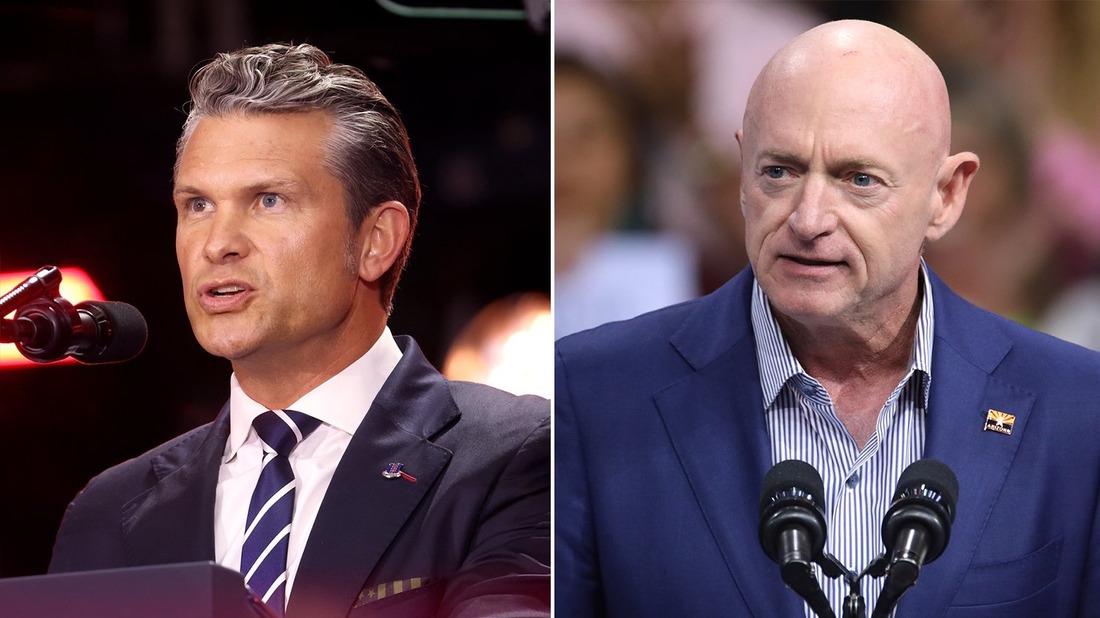
Mark Kelly is a Democratic US Senator representing Arizona, having served since 2020. Before entering politics, Kelly had a distinguished military career spanning decades. He served as a Navy combat pilot, flying missions during the Gulf War, and later became a NASA astronaut, completing four spaceflights including his final mission to the International Space Station in 2011. Kelly retired from the Navy as a Captain that same year. Under the Uniform Code of Military Justice (UCMJ), retired military officers remain subject to military jurisdiction in certain circumstances, including recall to active duty and, controversially, court-martial proceedings.
The Triggering Event: The ‘Illegal Orders’ Video
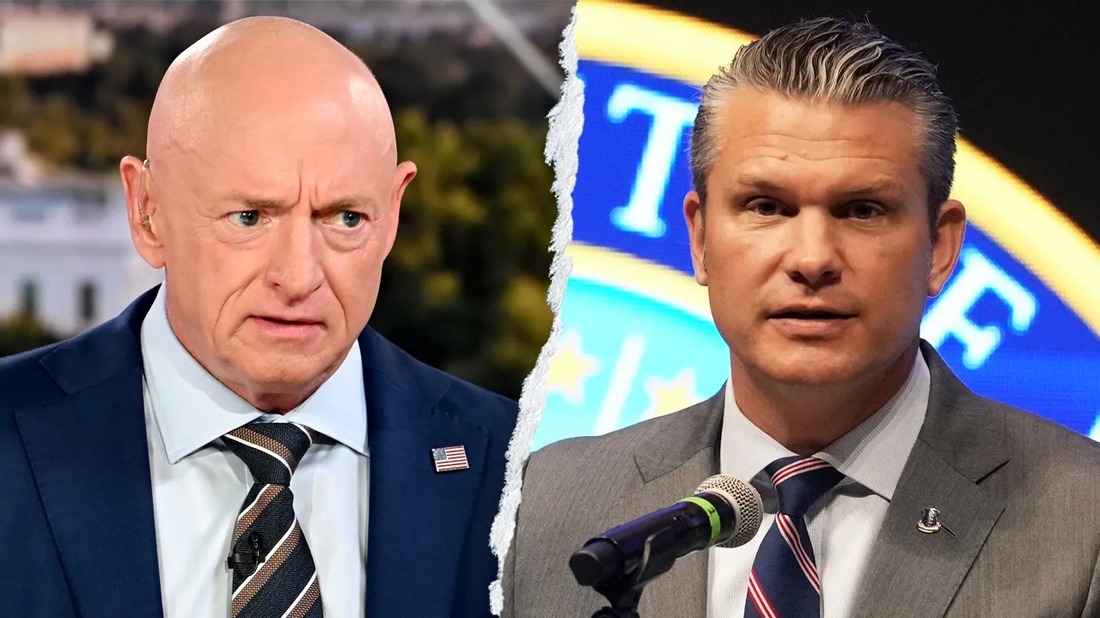
In November 2025, Senator Kelly participated in a joint video alongside five other Democratic members of Congress — all of whom had prior military or intelligence service backgrounds. The video addressed members of the US Armed Forces directly, urging them to remember their oath to the Constitution and to refuse any unlawful orders they might receive.
In the video, Kelly stated: ‘Our laws are clear. You can refuse illegal orders.’ The video was released against a backdrop of growing Democratic concern about the Trump administration’s expansion of military authority, including the use of military assets in domestic law enforcement operations and strikes against alleged narco-trafficking vessels in the Caribbean. Kelly and the other lawmakers who appeared in the video emphasized that service members are legally and morally obligated to refuse orders that are unconstitutional or otherwise unlawful.
Defense Secretary Pete Hegseth immediately condemned the video as ‘despicable, reckless and false.’ President Trump publicly described it as ‘seditious behavior, punishable by death,’ and suggested the participating lawmakers could be hanged — remarks widely characterized as extreme and legally unfounded by constitutional scholars.
Hegseth’s Actions: Investigation, Censure, and Threatened Court-Martial
Pentagon Investigation
In November 2025, the Pentagon announced it would investigate Senator Kelly for what it characterized as ‘serious allegations of misconduct.’ This announcement was notable because Kelly is a retired — not active duty — service member who holds elected office as a sitting US senator. The legal basis for military jurisdiction over a retired officer serving in Congress raised immediate constitutional questions.
Letter of Censure — January 2026
In early January 2026, Defense Secretary Hegseth issued a formal letter of censure against Senator Kelly. In the letter, Hegseth accused Kelly of having ‘directly attacked the legitimacy of military leadership and the lawfulness of their orders,’ of saying things that ‘directly prejudice good order and discipline,’ and of having ‘engaged in conduct that seriously compromises your standing as an officer and brings dishonor to the officer corps.’ The censure was unprecedented in its targeting of a sitting member of Congress for legislative speech.
Threatened Rank Reduction and Pay Cut
Beyond the censure, the Pentagon announced it was pursuing administrative action to downgrade Kelly’s military retirement rank from Captain to a lower grade. Such a demotion would have direct financial consequences, reducing the retirement pay Kelly receives as a retired Navy Captain. Hegseth labeled Kelly’s statements as ‘seditious’ — invoking language from the UCMJ’s punitive articles — as legal justification for the grade reduction.
The Court-Martial Question
Can Senator Mark Kelly be court-martialed? This question became one of the most searched legal questions related to the case. Under the UCMJ and the Supreme Court’s ruling in Larrabee v. Secretary of Defense (2020), retired military officers remain subject to the UCMJ and can, in theory, be recalled to active duty to face court-martial for conduct unbecoming an officer or other UCMJ violations. However, the constitutional dimensions of applying military criminal proceedings to a sitting US Senator exercising his legislative functions represented an entirely unprecedented legal proposition. No federal court had previously approved such an application of military jurisdiction over an elected member of Congress.
Kelly’s Lawsuit: Constitutional Claims
Filing and Core Arguments
Senator Kelly filed suit against Hegseth in January 2026, one week after the formal censure. His complaint advanced two principal constitutional arguments against Hegseth’s actions.
First Amendment Violation
Kelly argued that Hegseth’s censure and threatened rank reduction constituted unconstitutional retaliation for protected political speech. The First Amendment prohibits the government from punishing individuals for engaging in speech on matters of public concern — a protection that applies with even greater force to speech by elected legislators and retired civilians about the proper conduct of military affairs. Kelly’s legal team argued that his statements were ‘unquestionably protected speech’ on matters of core public concern, and that the government’s actions constituted impermissible viewpoint discrimination — penalizing him specifically because of the political viewpoint expressed in the video.
Speech and Debate Clause
Kelly’s second constitutional argument relied on the Speech and Debate Clause of Article I, Section 6 of the US Constitution, which provides that senators and representatives ‘shall not be questioned in any other Place’ for ‘any Speech or Debate in either House.’ The clause has been interpreted broadly by the Supreme Court to cover all legislative activities, not merely literal floor speeches. Kelly argued that his participation in the video — in his capacity as a senator raising concerns about the legality of military orders — constituted protected legislative activity that could not be the subject of executive branch punishment.
Separation of Powers
Kelly’s complaint also raised structural separation of powers concerns, arguing that allowing the executive branch (through the Defense Secretary) to threaten a sitting senator with military prosecution for his legislative speech would give the executive a coercive tool over the legislature that the Constitution explicitly forbids. As Kelly’s attorney Benjamin Mizer argued before the court, Hegseth’s actions would affect not just Kelly but any retired service member in elected office — effectively weaponizing military law against political opponents.
Court Proceedings and Rulings
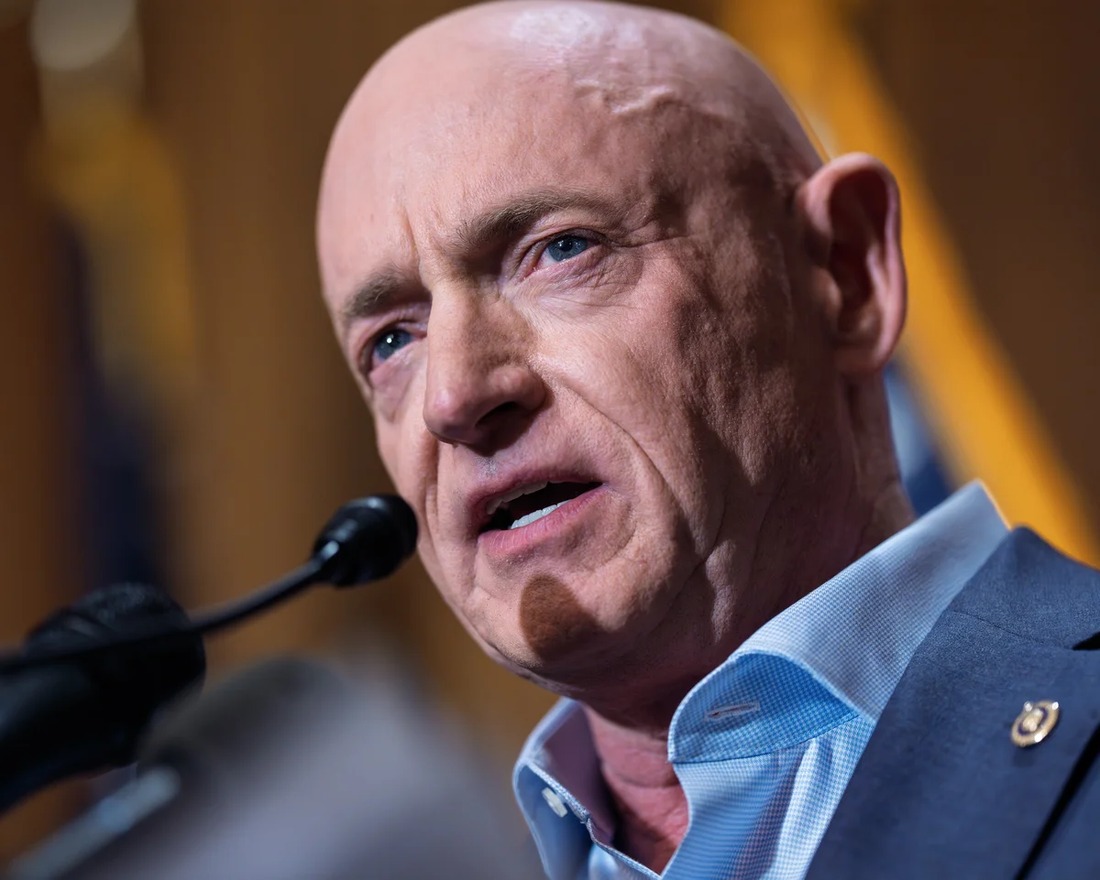
February 3, 2026 — Hearing Before Judge Leon
At a hearing on February 3, 2026, Judge Richard Leon heard arguments from both sides. The judge expressed particular concern about the First Amendment rights of Kelly both as a retired military officer and as a sitting US senator. Leon noted the ‘lots and lots of novel issues’ in the case, signaling the unprecedented nature of the constitutional questions presented. The Justice Department attorney, John Bailey, argued that speech restrictions applicable to active-duty military members should extend to retired officers — but was unable to cite any statute, regulation, or case law supporting that position.
February 11, 2026 — Grand Jury Declines to Indict
Two days before Judge Leon’s ruling, a federal grand jury in Washington, DC declined to return an indictment against Senator Kelly and the other lawmakers who appeared in the video. The grand jury’s refusal to approve the charges sought by federal prosecutors was a significant setback for the administration’s legal strategy and suggested that even within the criminal justice system, the government’s theory lacked prosecutorial merit.
February 12, 2026 — Preliminary Injunction Granted
On February 12, 2026, Judge Leon issued a landmark 29-page ruling granting Senator Kelly’s request for a preliminary injunction — temporarily blocking the Pentagon from taking steps to discipline Kelly while the underlying lawsuit continued. To obtain the injunction, Kelly was required to demonstrate: (1) likelihood of success on the merits, (2) likelihood of irreparable harm absent relief, (3) that the balance of equities favored him, and (4) that the injunction was in the public interest. Judge Leon found all four elements satisfied.
In his ruling, Judge Leon wrote that Hegseth had ‘trampled on Senator Kelly’s First Amendment freedoms’ and that his actions constituted an ‘impermissible form of government retaliation.’ The judge found that Kelly’s speech was ‘unquestionably protected speech’ on matters of public concern entitled to ‘special protection’ under the First Amendment. Leon rejected the government’s argument that First Amendment restrictions on active-duty service members should extend to retired officers, responding with a pointed ‘Horsefeathers!’ to the administration’s legal theory and noting that no authority supported it.
The judge also expressed concern about the broader chilling effect on millions of retired service members, noting that many veterans had already begun self-censoring their public statements out of fear of similar retaliation. Citing a friend-of-the-court brief by former senior military officials, Leon called this development ‘a troubling development in a free country.’
Hegseth’s Response — Immediate Appeal
Defense Secretary Hegseth responded to the ruling with a post on social media stating the decision would be ‘immediately appealed.’ The Justice Department, representing the Pentagon, maintained that Hegseth’s actions were unreviewable by federal courts or, at minimum, entitled to substantial judicial deference.
Legal Analysis: Why Pete Hegseth’s Case Is Failing
Insufficient Legal Foundation
The core weakness in Hegseth’s legal position is the absence of any statutory, regulatory, or precedential authority supporting the application of UCMJ speech restrictions to retired officers holding elected legislative office. The Justice Department could not identify a single case in which military authorities had successfully prosecuted a sitting senator for public speech made in a legislative capacity. The legal foundation for the court-martial threat was, in the words of Judge Leon, simply unsupported.
Unprecedented Executive Overreach
Constitutional scholars across the political spectrum characterized Hegseth’s actions as an extraordinary overreach of executive power. The Speech and Debate Clause was specifically designed by the Founders to insulate legislators from executive branch intimidation — a protection rooted in the English parliamentary experience of royal suppression of legislative speech. Applying military criminal jurisdiction to a senator for his public statements represents precisely the kind of executive encroachment on legislative independence that the clause was designed to prevent.
The Retired Military Civilian Status
A critical factual and legal distinction undercuts Hegseth’s position: Mark Kelly retired from the Navy in 2011 — fourteen years before the events giving rise to this case. While the UCMJ technically retains jurisdiction over retired officers, courts have recognized that retired officers occupy a status closer to the civilian community than active duty personnel. As Judge Leon emphasized, treating a retired senator’s political speech the same as the speech of an active-duty subordinate officer would obliterate the distinction between military service and civilian life.
Broader Legal Significance
First Amendment Protections for Veterans in Public Life
Judge Leon’s ruling, if upheld on appeal, will establish important precedent protecting the First Amendment rights of the approximately 1.9 million retired military personnel in the United States. The decision clarifies that retirement from military service restores the full scope of civilian First Amendment protections, and that the government cannot selectively invoke military law to silence veterans who criticize the administration.
Separation of Powers and Legislative Independence
The case represents a significant affirmation of the constitutional separation of powers. The judiciary’s willingness to immediately enjoin executive action against a sitting senator for his legislative speech demonstrates the continued vitality of judicial review as a check on executive overreach, even in matters touching on national security and military affairs.
Current Status — April 2026
As of April 2026, the preliminary injunction remains in effect, blocking the Pentagon from pursuing rank reduction or other disciplinary action against Senator Kelly while the appeal proceeds. The Department of Justice has filed an appeal with the US Court of Appeals for the DC Circuit. Kelly has continued to speak publicly about the case, framing it as a broader fight for the constitutional rights of all American veterans and retired service members. No new grand jury proceedings against Kelly have been reported.
Key Legal Takeaways
- Retired military officers who hold elected office retain full First Amendment protections for their legislative speech and political activities.
- The Speech and Debate Clause of Article I provides broad immunity to members of Congress for speech made in their legislative capacity, including public statements on matters of national security.
- Military courts have jurisdiction over retired officers under the UCMJ, but this jurisdiction cannot be exercised to penalize protected political speech or legislative activity.
- Executive branch actions targeting elected officials for political speech are subject to strict constitutional scrutiny and may constitute impermissible viewpoint discrimination.
- The separation of powers doctrine prohibits the executive branch from using military law as a coercive tool against the legislative branch.
References & Further Reading
- Kelly v. Hegseth, D.D.C. (filed January 2026)
- Uniform Code of Military Justice, 10 U.S.C. §§ 801 et seq.
- U.S. Constitution, Article I, Section 6 (Speech and Debate Clause)
- U.S. Constitution, Amendment I (Free Speech Clause)
- Larrabee v. Secretary of Defense, 968 F.3d 1170 (D.C. Cir. 2020)
- Eastland v. U.S. Servicemen’s Fund, 421 U.S. 491 (1975)