
Can Medicaid Take Money from My Injury Settlement?
 Sahar Syed··6 min read·Personal Injury Law
Yes. Medicaid can take money from settlement portions that compensate medical care connected to your injury. Federal law protects settlement portions assigned to nonmedical damages, including lost wages and pain and suffering.
Can Medicaid Take Money from My Injury Settlement? The final amount depends on Medicaid payments, settlement allocation, state procedures, and verified reductions.
You should resolve every reimbursement claim before anyone distributes settlement proceeds. Early lien work protects your recovery and prevents avoidable delays.
This guide provides general U.S. legal information. State rules control deadlines, formulas, hearing rights, and benefit treatment.
Can Medicaid Take Money from My Injury Settlement in 2026?
Yes. Medicaid can recover payments for injury-related medical care from settlement portions representing medical damages. Medicaid cannot claim settlement portions representing purely nonmedical losses under federal limits.
Can Medicaid Take Money from My Injury Settlement? Medicaid uses third-party liability rules because another person or insurer caused the covered loss.
Why Medicaid Has a Reimbursement Right
Medicaid acts as the payer of last resort when a liable third party owes medical costs. Federal law requires states to identify responsible third parties and seek reimbursement.
A Medicaid application assigns certain payment rights to the state. Those rights cover payments for medical care from liable parties.
The state Medicaid agency can assert a lien, subrogation claim, statutory assignment, or direct reimbursement demand. State terminology varies.
Which Settlement Portions Medicaid Can Reach
Medicaid can reach settlement money allocated to medical expenses, including qualifying past and future medical damages. The U.S. Supreme Court confirmed that rule in Gallardo v. Marstiller.
Gallardo allows a state to recover past Medicaid payments from medical-damages portions covering past or future care.
Can Medicaid Take Money from My Injury Settlement? Medicaid cannot exceed the applicable medical portion or valid reimbursement amount.
Which Damages Federal Law Protects
Federal law protects settlement portions for lost wages, pain and suffering, property damage, and other nonmedical losses. A valid allocation must reflect evidence and settlement value.
Arkansas Department of Health and Human Services v. Ahlborn limited recovery to settlement compensation for medical care.
Wos v. E.M.A. rejected a fixed state presumption that automatically assigned one-third of every settlement to medical expenses.
How Much Can Medicaid Take from My Injury Settlement?
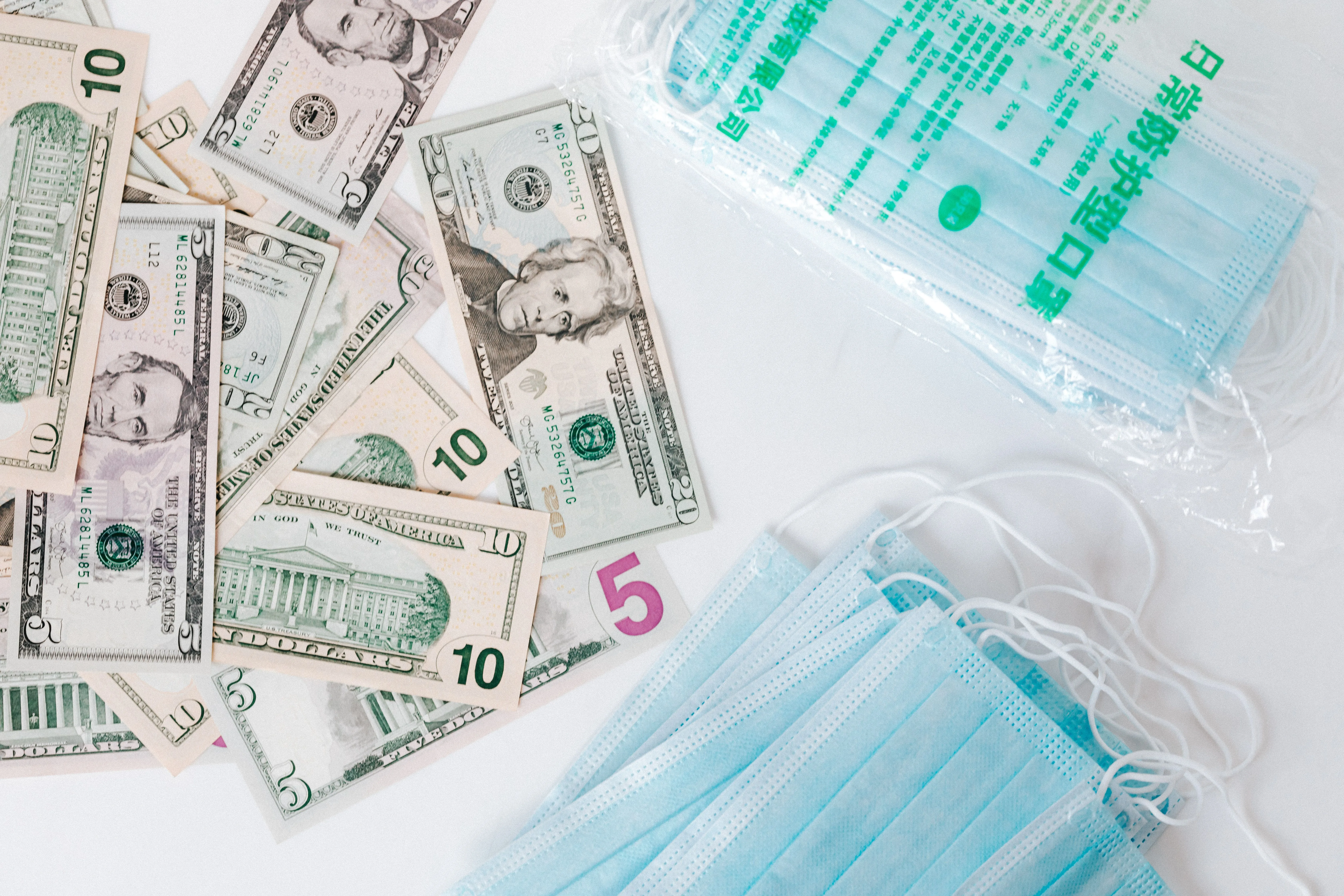
Medicaid generally claims the lower valid amount produced by injury-related payments, medical allocation, and state reduction rules. No single national percentage applies.
Can Medicaid Take Money from My Injury Settlement? A state cannot use a universal formula that ignores the settlement’s medical value.
Start with Injury-Related Medicaid Payments
Start with Medicaid payments for treatment caused by the accident or malpractice event. Exclude treatment for unrelated conditions.
Relevant services include ambulance transport, emergency treatment, surgery, imaging, rehabilitation, prescriptions, home care, and medical equipment.
Unrelated services include diabetes visits, prenatal care, cancer treatment, dental work, and mental health care unrelated to the injury.
Apply the Medical-Damages Allocation
Apply the percentage or amount that fairly represents medical damages within the compromised settlement. Weak liability or limited insurance can reduce every damage category.
Consider a claimant with $200,000 in total damages and a $50,000 settlement. The settlement pays 25% of estimated damages.
Can Medicaid Take Money from My Injury Settlement? Medicaid can challenge an allocation that lacks factual or procedural support.
Subtract Allowed Procurement Costs
Subtract attorney fees and litigation costs when state law requires Medicaid to share procurement expenses. State formulas differ.
Procurement costs include contingency fees, filing fees, deposition charges, expert fees, medical records, investigators, and mediation expenses.
Request a written calculation showing the gross claim, every reduction, and the final demand.
How Does a Medicaid Lien Reach Settlement Funds?
A Medicaid lien reaches settlement funds through notice, claim calculation, dispute resolution, and payment before final distribution. Each stage needs records.
Can Medicaid Take Money from My Injury Settlement? The state usually starts recovery after receiving accident, lawsuit, or settlement information.
The Claim Begins with Notice and Assignment
The claim begins when Medicaid learns that a third party caused an injury. You or your lawyer usually must report the claim.
Notice information includes your Medicaid number, injury date, claim number, insurer, attorney, defendants, and lawsuit details.
Report every coverage source, including fee-for-service Medicaid and a Medicaid managed care organization (MCO).
Review your settlement decision rights before accepting any release, allocation, confidentiality term, or payment schedule.
The Agency Produces an Itemized Claim
The state Medicaid agency should produce an itemized claim for payments tied to the injury. Request updates after treatment ends.
The Final Demand Controls Distribution
Can Medicaid Take Money from My Injury Settlement? The final demand states the current amount due before distribution. Keep the demand and payment proof.
A settlement statement should show gross proceeds, attorney fees, case costs, lien payments, trust funding, and your net recovery.
How to Check a Medicaid Claim for Errors
To check a Medicaid claim for errors, compare every payment with injury records, dates, providers, and diagnostic codes. Document every objection.
Can Medicaid Take Money from My Injury Settlement? Medicaid can claim only qualifying payments connected to the covered injury and permitted medical allocation.
Match Every Charge to the Injury
Match every charge to a treatment note describing the accident-related diagnosis or complication. Reject charges without a clear connection.
Create a spreadsheet with 6 columns: service date, provider, procedure, diagnosis, Medicaid payment, and dispute reason.
Use records such as emergency reports, operative notes, therapy notes, prescription histories, and discharge summaries.
Remove Duplicate and Unrelated Payments
Remove duplicate payments, reversed claims, unrelated diagnoses, and dates outside the injury treatment period. Provide supporting records for each removal.
Check Managed Care and Provider Claims
Check whether the state, an MCO, and medical providers assert overlapping claims for the same services. Demand separate itemized statements.
Can Medicaid Take Money from My Injury Settlement? Medicaid recovery does not validate every hospital, insurer, or financing lien.
How to Reduce a Medicaid Lien Legally
To reduce a Medicaid lien legally, challenge errors, prove allocation, request procurement reductions, and use available compromise procedures. Submit evidence before distribution.
Can Medicaid Take Money from My Injury Settlement? Medicaid can demand repayment, but claimants retain statutory and procedural defenses.
Challenge an Unsupported Medical Allocation
Challenge an unsupported medical allocation with evidence showing total damages, disputed liability, policy limits, and collection risks. Use credible valuation records.
A private settlement agreement cannot assign $1 to medical damages without support. The agency can seek a hearing or judicial review.
Request Attorney-Fee and Cost Reductions
Request a reduction for attorney fees and case costs when state law recognizes procurement expenses. Provide the fee contract and cost ledger.
Can Medicaid Take Money from My Injury Settlement? The answer still depends on the net medical recovery after lawful reductions.
Use State Compromise and Hearing Procedures
Use the state’s compromise, waiver, administrative hearing, or court-allocation procedure before paying a disputed demand. Follow every deadline.
Some states consider hardship, collection cost, limited insurance, comparative negligence, minor status, or inadequate compensation.
Can Medicaid Take Money from My Injury Settlement for Future Care?

Yes. Medicaid can seek reimbursement from settlement portions covering future medical care under Gallardo v. Marstiller. The state still seeks repayment for past Medicaid spending.
Can Medicaid Take Money from My Injury Settlement? Gallardo permits recovery from medical-damages portions without limiting recovery to past-care labels.
Gallardo Covers Medical-Damages Portions
Gallardo allows states to reach settlement compensation for medical care generally, including past and future care allocations. Nonmedical damages remain outside that authority.
The decision does not let Medicaid recover more than the state paid. The decision also preserves valid allocation disputes.
Future Medical Labels Need Evidence
Future medical allocations need evidence from physicians, life-care planners, economists, medical bills, and treatment schedules. Unsupported labels create risk.
The settlement agreement should identify covered claims without using artificial percentages designed only to defeat reimbursement.
Structured Payments Do Not Erase Reimbursement
A structured settlement changes payment timing but does not erase an existing Medicaid reimbursement obligation. Resolve the lien before funding any annuity.
Can Medicaid Take Money from My Injury Settlement? Medicaid can seek payment before the claimant receives unrestricted settlement funds.
Will an Injury Settlement Affect Medicaid Eligibility?
Yes. A settlement can affect Medicaid eligibility, but the result depends on your eligibility category and state rules. Reimbursement and eligibility remain separate questions.
Can Medicaid Take Money from My Injury Settlement? Medicaid can collect a lien even when remaining funds do not end coverage.
MAGI Medicaid Uses Monthly Income Rules
Modified Adjusted Gross Income (MAGI) Medicaid has no asset test under federal methodology. A lump sum counts as income only during receipt month.
Report the payment and ask the state agency how the settlement affects the receipt month and renewal period.
Non-MAGI Medicaid Often Uses Resource Limits
Non-MAGI Medicaid often uses income and resource limits for aged, blind, disabled, institutional, and long-term-care coverage groups. Unspent funds can become countable resources.
A settlement deposited into your checking account can exceed the applicable resource limit after the receipt month.
Special Needs Trusts Require Precise Timing
Can Medicaid Take Money from My Injury Settlement? A qualifying trust can protect eligibility but cannot erase reimbursement. Trust planning must occur before unrestricted receipt.
A first-party trust under 42 U.S.C. Section 1396p(d)(4)(A) generally covers a disabled person under age 65.
A pooled trust under Section 1396p(d)(4)(C) uses a nonprofit trustee and separate beneficiary accounts.
Can Medicaid Take Money from My Injury Settlement? A trust does not erase the injury lien or required Medicaid payback terms.
How to Protect Benefits Before Accepting a Settlement
To protect benefits before accepting a settlement, identify coverage rules, resolve liens, finish trust planning, and schedule reporting. Complete planning before payment.
Can Medicaid Take Money from My Injury Settlement? Early coordination gives you more lawful options than post-payment corrections.
Identify Your Medicaid Eligibility Category
Identify whether you receive MAGI, disability-based, long-term-care, medically needy, waiver, or dual-eligible coverage. Obtain written confirmation when possible.
Complete Trust Planning Before Payment
Complete trust documents, court approvals, trustee arrangements, tax identification, and bank accounts before the settlement arrives. Direct payment correctly.
Do not deposit settlement money into a personal account before receiving advice about resource-tested coverage.
Report the Settlement Under State Rules
Report the settlement within your state’s required period and keep delivery proof. Submit requested documents through approved channels.
Can Medicaid Take Money from My Injury Settlement? Late reporting can trigger coverage reviews, overpayment claims, penalties, or appeal deadlines.
What Happens When You Ignore a Medicaid Lien?
Can Medicaid Take Money from My Injury Settlement? Ignoring the lien can delay payment and create collection exposure. Address every known claim before distribution.
Can Medicaid Take Money from My Injury Settlement? Medicaid can enforce valid reimbursement rights after an improper distribution.
The Settlement Distribution Can Stop
Your attorney, insurer, court, or settlement administrator can hold disputed funds until lien resolution. The hold protects all participants from conflicting claims.
Settlement agreements often require lien satisfaction, indemnity, cooperation, and proof of payment before final distribution.
The Agency Can Pursue Collection
The state can pursue collection through statutory remedies, administrative procedures, litigation, or offsets allowed by law. Remedies vary by jurisdiction.
Collection can target settlement proceeds or responsible participants when state law imposes duties on claimants, lawyers, or insurers.
Can Medicaid Take Money from My Injury Settlement? A completed distribution does not automatically defeat a valid state claim.
Your Lawyer Must Address Known Claims
Your lawyer must handle known liens consistently with professional duties, settlement terms, and governing law. Ask for written status updates.
Request the initial notice, payment ledger, dispute letter, reduction request, final demand, payment check, and satisfaction letter.
When Should You Get Legal Help?
Get legal help before signing a release when the lien, allocation, eligibility, trust, or court approval presents uncertainty. Early advice preserves options.
Can Medicaid Take Money from My Injury Settlement? A lawyer can apply federal limits and your state’s recovery procedure to the facts.
Get Help with Disputed Medical Charges
Get help when Medicaid includes unrelated care, duplicates, excessive allocations, or missing procurement reductions. Bring complete records to the consultation.
A useful file includes medical records, billing ledgers, pleadings, policy limits, expert reports, fee contracts, and settlement offers.
Get Help with Minors and Wrongful Death
Get help for minor, incapacitated-adult, survival, and wrongful death settlements because ownership and allocation rules differ. Court approval often applies.
Wrongful death damages can belong to survivors, while survival damages can belong to the injured person’s estate.
Can Medicaid Take Money from My Injury Settlement? Medicaid recovery depends on whose medical claim produced each settlement portion.
Get Help Before Creating a Trust
Get help before creating or funding any special needs trust, pooled trust, annuity, or restricted account. Drafting errors can affect eligibility.
Trust language must address beneficiary status, sole-benefit rules, trustee powers, distributions, reporting, and Medicaid payback.
Frequently Asked Questions
Can Medicaid take my entire personal injury settlement?
No. Medicaid generally reaches only valid medical-damages portions, subject to state procedures and the amount Medicaid paid. Nonmedical damages receive federal protection.
Can Medicaid Take Money from My Injury Settlement after my lawyer pays me?
Yes. A premature distribution does not automatically cancel a valid reimbursement claim. The state can use remedies allowed by state law.
Can I negotiate a Medicaid lien?
Yes. You can dispute unrelated charges, allocation, procurement costs, and calculation errors. State compromise authority controls additional reductions.
Does a special needs trust stop Medicaid reimbursement?
No. A special needs trust addresses benefit eligibility and fund management. The trust does not erase a valid injury-related reimbursement claim.
Does Medicaid take money for pain and suffering?
No. Medicaid cannot take settlement portions genuinely assigned to pain and suffering or other nonmedical damages. The allocation needs factual support.
Protect Your Settlement Before Distribution
Resolve the lien, confirm the medical allocation, review benefit eligibility, and complete trust planning before settlement distribution. Written proof protects your final recovery.
Can Medicaid Take Money from My Injury Settlement? Yes, but federal limits, state procedures, and accurate records determine the lawful amount.
The Law Lion offers legal writing support for organized settlement documents, demand letters, timelines, and review materials. Seek licensed counsel for legal advice and representation.