What Happens After Pleading Guilty?
 Sahar Syed··7 min read·Criminal Law
What happens after pleading guilty? The judge accepts the plea, enters a conviction, and moves the case toward sentencing. The court may sentence you immediately, or schedule a later hearing after reviewing a presentence report.
A guilty plea usually ends the trial phase. The plea does not always end the entire criminal case. Sentencing, restitution, probation conditions, custody decisions, and appeal deadlines can still follow.
Court procedures differ by state, charge, and plea agreement. Federal courts follow Federal Rules of Criminal Procedure 11 and 32. State courts use comparable rules and local procedures.
What Happens After Pleading Guilty in Court?
The court first decides whether your plea is knowing, voluntary, and supported by facts. The judge asks direct questions during a plea colloquy.
The judge reviews your plea
The judge confirms that you understand the charge, possible penalties, and rights you surrender. Those rights include trial, confrontation, and protection against compelled testimony.
The judge also asks whether threats, promises, medication, or confusion affected your decision. Honest answers matter because the transcript can control later disputes.
The court enters a conviction
The court enters a conviction after accepting the guilty plea. A guilty plea usually carries the same conviction status as a guilty verdict.
The conviction becomes part of the official court record. The record can affect sentencing, background checks, immigration, licensing, and future criminal cases.
The judge addresses custody and release
The judge decides whether you remain released, enter custody, or follow new release conditions. The decision depends on law, risk, and agreement terms.
Follow every release condition. Common conditions include travel limits, drug testing, no-contact orders, electronic monitoring, and scheduled check-ins.
What Happens After Pleading Guilty Before Sentencing?

What happens after pleading guilty often includes a presentence investigation before sentencing. Most cases enter a presentence phase before the judge imposes punishment. The presentence phase gives the court verified information about you and the offense.
Probation prepares a presentence report
A probation officer often prepares a Presentence Investigation Report (PSR). The PSR summarizes the offense, criminal history, finances, health, employment, and family circumstances.
Federal Rule of Criminal Procedure 32 generally requires a presentence investigation unless a listed exception applies. State rules vary by jurisdiction.
You attend a presentence interview
The probation officer asks about education, work, treatment, finances, family duties, and prior cases. The officer also asks about the current offense. The officer may request supporting records.
Speak with your lawyer before the interview. Statements can affect sentencing calculations, acceptance-of-responsibility findings, restitution, supervision, and placement decisions.
Both sides review sentencing information
The prosecutor and defense review the PSR before sentencing. Each side can identify factual mistakes and challenge disputed guideline calculations.
Federal rules set disclosure and objection procedures. Local courts can add deadlines. Missing an objection deadline can weaken a correction request.
How to Prepare for a Presentence Interview
What happens after pleading guilty depends partly on the accuracy of your presentence information.
To prepare for a presentence interview, collect accurate records. Review likely questions with counsel before the meeting. Preparation reduces preventable errors and inconsistent statements.
Gather accurate personal records
Collect pay stubs, tax returns, medical letters, and treatment certificates. Add school, military, and dependent records when relevant. Use current documents.
Prepare exact dates for employment, addresses, treatment, and prior cases. Avoid guesses when a document can provide the correct answer.
Discuss statements with counsel
Ask a lawyer how to answer offense questions and sensitive background questions. LawLion offers criminal defense guidance for people facing serious court consequences.
Do not minimize proven conduct or add unsupported facts. A careful answer protects credibility while respecting your legal rights.
Correct factual mistakes promptly
Review the draft PSR with counsel. Mark incorrect dates, convictions, financial amounts, medical facts, and offense descriptions.
Support each correction with documents. Useful records include certified dispositions, payroll records, medical reports, account statements, and official correspondence.
What Happens After Pleading Guilty at Sentencing?
What happens after pleading guilty at sentencing depends on the charge, record, agreement, and mitigation. The judge reviews the law, agreement, PSR, objections, and sentencing arguments. The judge then announces the sentence in open court.
The judge confirms the sentencing range
The judge identifies applicable statutes, mandatory penalties, sentencing guidelines, and authorized alternatives. A plea agreement can recommend or bind certain terms.
Judges do not accept every recommendation automatically. The agreement type and governing law determine the judge’s authority and your withdrawal rights.
Both sides present sentencing arguments
The prosecutor can address offense harm, criminal history, victim impact, deterrence, and requested punishment. Victims can also speak under applicable law.
The defense can present mitigation. Examples include treatment progress, employment history, caregiving duties, restitution efforts, military service, and documented health needs.
The judge imposes the sentence
The judge states custody, probation, supervised release, fines, restitution, fees, and treatment. The judge also states restrictions and reporting dates.
Listen carefully and request clarification through counsel. A written judgment follows, but immediate oral instructions can control your next actions.
What Happens After Pleading Guilty When Penalties Begin?
What happens after pleading guilty can include 5 penalty categories. A sentence can include custody, supervision, money obligations, treatment, restrictions, or combined penalties. The charge and jurisdiction determine available penalties.
Custody penalties restrict freedom
Custody penalties include jail, prison, home detention, intermittent confinement, and time served. The court can order immediate surrender or delayed surrender.
Credit for prior custody follows specific rules. Ask counsel how the court and correctional agency calculate eligible time.
Community penalties create supervision
Community penalties include probation, supervised release, community service, treatment, testing, classes, monitoring, and travel restrictions. Violations can trigger new hearings.
Report exactly as directed. Keep proof for payments, programs, testing, service hours, and officer communications.
Financial penalties create payment duties
Financial penalties include fines, restitution, assessments, court costs, and supervision fees. Restitution generally compensates identified victims for covered losses.
Request a written payment schedule. Report financial changes through the required process instead of ignoring missed payments.
What Happens After Pleading Guilty If You Seek Withdrawal?
What happens after pleading guilty can change only through an authorized legal procedure. Sometimes, courts allow withdrawal, but courts apply strict standards. Timing, plea validity, prejudice, legal error, and jurisdictional rules shape the result.
Withdrawal before sentencing
Federal Rule 11 allows withdrawal before sentencing for a fair and just reason. State courts use their own standards and deadlines.
Possible grounds include an involuntary plea, ineffective assistance, misunderstanding, undisclosed consequences, or a plea-colloquy defect. Regret alone rarely succeeds.
Withdrawal after sentencing
After sentencing, withdrawal becomes much harder. Defendants usually pursue direct appeal, post-conviction relief, habeas review, or another authorized remedy.
Courts often require constitutional error, jurisdictional error, or another serious defect. Each remedy carries strict filing rules.
Plea agreement rejection
A judge can reject certain plea agreements. Rule 11 requires specific warnings and options when a federal judge rejects a binding agreement.
The defendant controls the final plea choice after legal advice. Read LawLion’s guide to client decision rights before changing any major case decision.
What Happens After Pleading Guilty If You Appeal?
What happens after pleading guilty can still include an appeal. A guilty plea often narrows appeal issues. The plea agreement and jurisdiction determine which claims remain available.
Appeal waivers limit review
Many plea agreements contain appeal waivers. A valid waiver can block challenges to the conviction, sentence, or both.
Read the exact waiver language. Some waivers preserve claims involving ineffective assistance, prosecutorial misconduct, illegal sentences, or involuntary pleas.
Some legal claims survive
Some claims can survive a guilty plea. Examples include plea validity, jurisdiction, certain constitutional challenges, and preserved conditional-plea issues.
An unconditional plea usually waives many pretrial objections. A conditional plea can preserve specified rulings with court and prosecutor approval.
Deadlines control appeal rights
Appeal deadlines start quickly after judgment. Federal criminal defendants generally receive 14 days to file a notice of appeal.
State deadlines differ. Ask counsel for the exact date before leaving court or immediately after receiving the written judgment.
What Happens After Pleading Guilty Beyond Sentencing?
What happens after pleading guilty extends beyond the punishment stated in court. A conviction can affect life beyond the sentence. Collateral consequences can involve immigration, employment, housing, licensing, education, and civil rights.
Immigration consequences
A conviction can trigger removal, inadmissibility, detention, or naturalization problems. Immigration results depend on the statute, plea record, and immigration status.
Consult qualified immigration counsel before entering a plea whenever citizenship status creates risk. Criminal and immigration terms do not always match.
Employment and licensing consequences
Employers and licensing boards can review convictions. Regulated fields include nursing, teaching, law, finance, childcare, transportation, and security work.
Review reporting duties immediately. Some boards require notice within 10 days, 30 days, or another defined period.
Housing and firearm consequences
Landlords, housing programs, and lenders can consider criminal records under applicable law. Certain convictions can also restrict firearm possession.
Ask counsel which rights changed and which restoration procedures exist. Never assume sentence completion restores every right automatically.
How to Protect Yourself After Pleading Guilty
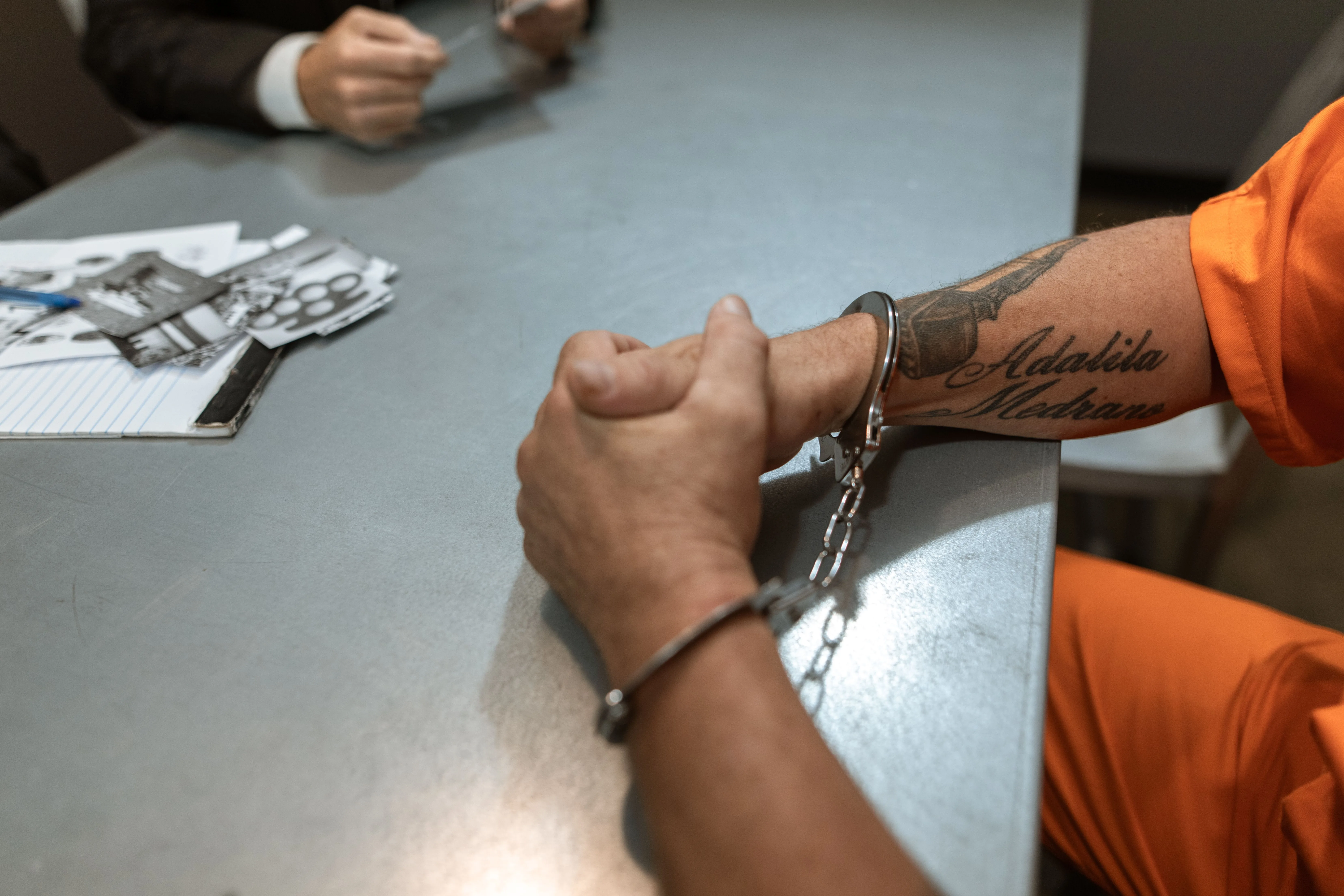
What happens after pleading guilty requires careful compliance with every written order.
To protect yourself after pleading guilty, follow orders and preserve records. Track deadlines and ask targeted legal questions. Organized action prevents avoidable violations.
Follow every court order
Read the written judgment, release order, probation terms, and payment schedule. Add every reporting date and deadline to 2 calendars.
Request written clarification for unclear conditions. Do not rely on informal advice from friends, employers, relatives, or other defendants.
Preserve every case document
Keep the plea agreement, plea transcript, PSR, sentencing memorandum, and judgment. Add payment receipts, program certificates, and supervision correspondence.
Store one paper copy and one secure digital copy. Name files with the date, court, document type, and case number.
Ask about record relief
Ask whether sealing, expungement, set-aside, pardon, certificate, or rights restoration exists. Eligibility depends on conviction type and jurisdiction.
Complete every sentence requirement before applying when the law requires completion. Keep final discharge and payment records for future applications.
What Happens After Pleading Guilty During the First 30 Days?
What happens after pleading guilty during the first 30 days often determines sentencing readiness and deadline compliance. Create a written action plan immediately.
Complete the first 24 hours
Confirm release conditions, surrender instructions, next court date, probation contact, and document delivery. Save each instruction in writing.
What happens after pleading guilty can change your travel, contact, testing, and reporting rules immediately. Follow the newest signed order.
Complete the first 7 days
Gather records for mitigation and the presentence interview. Useful records include treatment proof, employment letters, medical reports, and payment receipts.
What happens after pleading guilty during 7 days often includes lawyer meetings and probation scheduling. Attend every meeting and report any conflict early.
Complete the first 30 days
Review the PSR, prepare objections, complete early treatment, and plan for sentencing. Track every deadline with the responsible person and required method.
What happens after pleading guilty during 30 days can affect custody placement and supervision planning. Accurate records support fair sentencing decisions.
Which Documents Should You Request After a Guilty Plea?
Request 6 core documents before sentencing or immediately after judgment. Complete records help you verify obligations, deadlines, and future relief options.
Request the plea record
Obtain the signed plea agreement, written advisements, and plea-hearing transcript. The plea record shows promises, waivers, charges, and judicial findings.
Request the sentencing record
Obtain the PSR, sentencing memoranda, objection rulings, and written judgment. Compare every written condition with the sentence announced in court.
Request compliance records
Collect payment receipts, treatment confirmations, testing results, service logs, and supervision reports. Organized proof helps resolve later compliance disputes.
Ask the clerk, probation office, or counsel for the correct request method. Courts can require forms, identification, fees, or processing periods.
Quick Reference: What Happens After Pleading Guilty
Plea day: The judge questions you, accepts or rejects the plea, enters conviction, and addresses custody. Difficulty: high. Method: follow counsel’s instructions.
Before sentencing: Probation investigates your background and prepares the PSR. Difficulty: high. Method: provide accurate records and review every statement.
PSR review: Both sides check facts and calculations before the objection deadline. Difficulty: high. Method: document every correction with reliable evidence.
Sentencing day: The judge hears arguments and announces punishment. Difficulty: high. Method: arrive early, follow courtroom rules, and present mitigation through counsel.
After sentencing: You begin custody, supervision, payment, treatment, or appeal steps. Difficulty: high. Method: follow the written judgment and track deadlines.
FAQs About What Happens After Pleading Guilty
Does pleading guilty mean immediate jail?
No. The judge can order jail immediately, schedule sentencing, continue release, or impose a noncustodial sentence when law allows.
Can the judge change a plea deal?
Yes. The judge’s authority depends on the agreement type. Some agreements bind the judge only after formal acceptance.
Can you speak at sentencing?
Yes. Defendants usually receive allocution rights. Use the opportunity carefully after discussing content with counsel.
Can a guilty plea affect immigration status?
Yes. Certain convictions and admissions can trigger serious immigration consequences. Seek immigration advice before entering any plea.
Can you clear the conviction later?
Sometimes. Sealing, expungement, set-aside, pardon, or restoration depends on state law, offense type, and sentence completion.
What Happens After Pleading Guilty Next?
What happens after pleading guilty next depends on your sentence, release status, and deadlines. Act quickly because sentencing and appeal deadlines start immediately. Obtain every court document, review the PSR, and follow release conditions.
Prepare a written question list and case timeline before your next meeting. LawLion can help you communicate with counsel and organize sentencing documents clearly.
LawLion provides legal information and document support, not legal representation. A licensed criminal defense attorney should review decisions affecting liberty and rights.